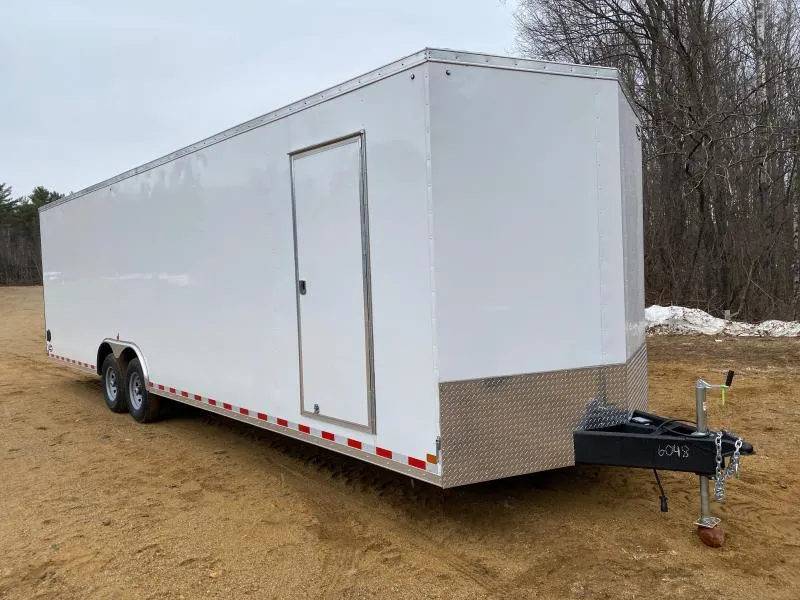
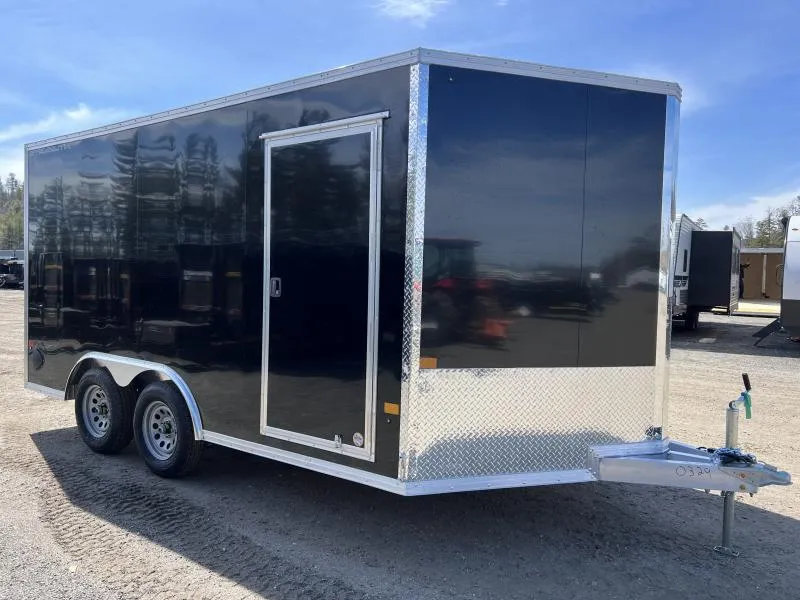
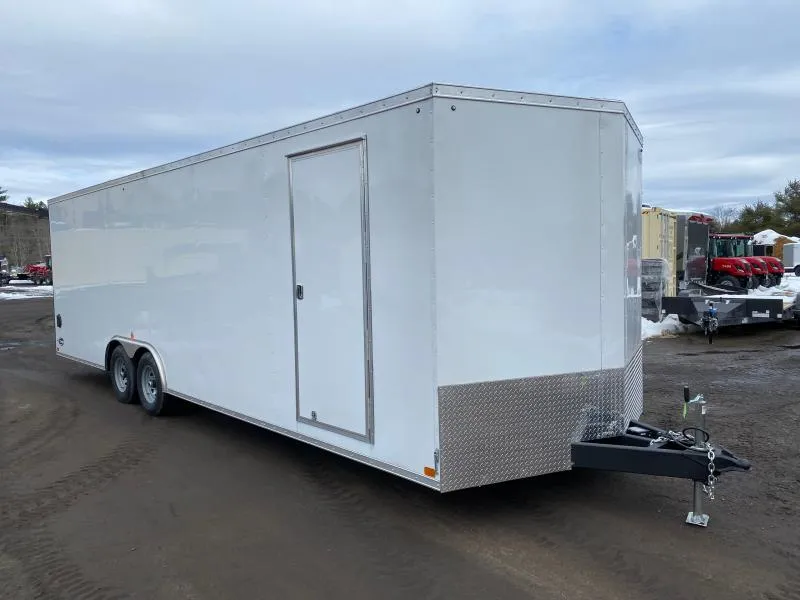
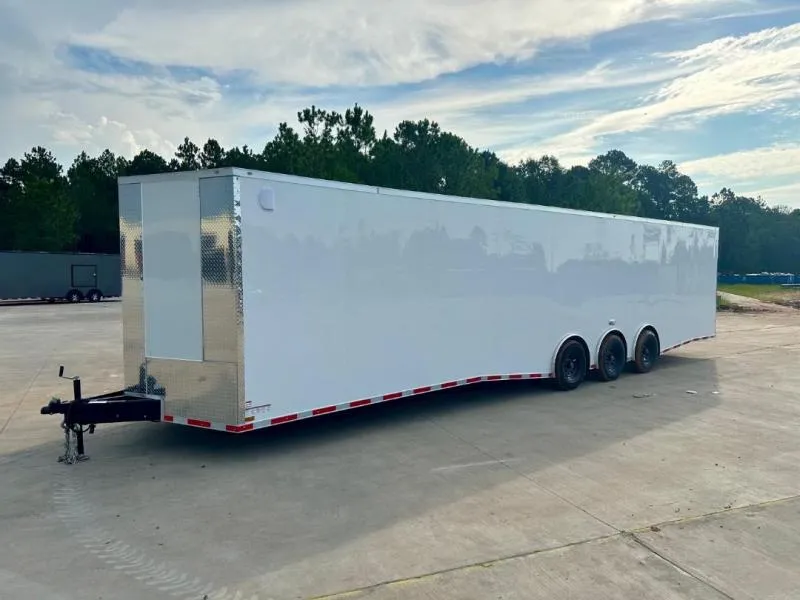
If you need a trailer that stays more comfortable in summer heat, holds warmth better in winter, and helps protect your cargo from extreme temperature swings, an insulated enclosed trailer is the smart upgrade. Whether you’re hauling tools, equipment, inventory, or building a mobile workspace, insulation adds real daily value—especially when paired with ventilation, sealing, and electrical options.
Get an exact quote fast: Tell us your ideal size, door style, and insulation level, and we’ll price a build that matches your use.
Request a Quote for an Insulated Enclosed Trailer
Overview of an Insulated Enclosed Trailer
An insulated enclosed trailer is a fully enclosed cargo trailer with insulation added to the walls and ceiling (and optionally the floor). The goal is simple: reduce heat transfer so the interior stays more stable and usable throughout the year.
Insulation is ideal if you:
Work out of your trailer (mobile workshop, contractor setup)
Haul temperature-sensitive gear (tools, electronics, event equipment)
Store items inside the trailer for long periods
Plan to add A/C or heat later and want better efficiency
Benefits of Insulating an Enclosed Trailer
Insulation isn’t just about comfort—it’s about protecting what you carry and improving how your trailer performs.
Key benefits:
More stable interior temperatures: Less heat buildup in summer, less cold infiltration in winter
Reduced condensation risk: When paired with vapor barrier + airflow, insulation helps control interior moisture
Better A/C and heat performance: Insulation helps climate-control upgrades work more effectively
Improved working comfort: Ideal for mobile businesses and jobsite setups
Quieter ride: Insulation can reduce some road noise and vibration
Get Pricing on Insulation Options
Insulation Options (Walls, Ceiling, and Floor)
A well-built insulated trailer isn’t just “stuffing insulation in the walls.” The best results come from the right combination of insulation coverage, sealing, and moisture control.
Wall & Ceiling Insulation (Most Common Setup)
For most buyers, the best value is insulating the walls and ceiling. This helps reduce heat transfer on all sides and is the foundation for comfortable year-round use.
Best for: mobile work trailers, vendors, storage, general hauling with added protection.
Vapor Barrier (Why It Matters)
A vapor barrier helps limit moisture movement inside the wall system—important for reducing condensation-related issues. If you’re insulating a trailer and you care about long-term durability and moisture control, a vapor barrier is a high-impact add.
Best for: humid climates, daily use, trailers that stay closed often, any A/C-ready build.
Floor Insulation (When It’s Worth It)
Floor insulation can make sense when you’re building for comfort, frequent interior use, or higher-end climate-control builds. For basic hauling, walls + ceiling typically deliver the biggest benefit per dollar.
Best for: workspaces, mobile offices, climate-controlled setups.
Recommended Insulation Levels (Simple Guidance)
Rather than overcomplicating the decision, we recommend choosing based on how you use the trailer:
Light-duty insulation: Better comfort for occasional use and basic cargo protection
Standard insulation (most popular): Great for frequent use, mobile work, and better temp stability
Enhanced insulation: Best for extreme climates, daily interior work, or pairing with A/C or heat
Tell Us Your Use Case → We’ll Recommend the Best Insulation Level
Key Features & Specs to Include on an Insulated Enclosed Trailer
A great insulated build is about the whole system—insulation plus the features that keep the trailer practical and durable.
Most-requested specs and options:
Multiple size and layout choices (built to order)
Standard or taller interior height options
Ramp door or barn doors
Side entry door upgrades
Roof vent and ventilation options
LED interior lighting
Electrical prep or electrical package options
Interior wall/ceiling finish upgrades (durability + easy cleaning)
Tie-downs, track systems, and cargo management options
Axle/brake configurations matched to your size and load needs
Build Your Insulated Trailer Quote
Popular Configurations & Upgrade Packages
If you want an insulated enclosed trailer that truly “works” day-to-day, these are the most popular combinations buyers choose.
Ramp Door vs Barn Doors (Best for Your Use Case)
Choose a ramp door if you load wheeled equipment, carts, or want easier walk-in access.
Choose barn doors if you prioritize maximum opening width and simple rear access.
Electrical Package (Most Common Add-On)
Insulation pairs extremely well with electrical upgrades because it turns the trailer into a more usable working space.
Popular electrical options include:
Interior lighting upgrades
Wall outlets
Exterior plug / shore power readiness
Switch placement that matches your layout
A/C-Ready or Climate-Control Builds
If you plan to add A/C or heat, insulation is what makes the upgrade feel worthwhile. A properly insulated trailer helps reduce how hard an A/C unit has to work and improves comfort consistency inside the trailer.
Best paired upgrades:
Moisture Control Upgrades (Underrated, High Value)
To reduce condensation and protect your build:
Ask for the “Insulation + Electrical” Quote Package
Condensation, Moisture, and Sealing (What Buyers Worry About Most)
Condensation happens when warm, humid air meets a colder surface—common in enclosed trailers during temperature swings.
How to reduce condensation risk:
Insulate walls and ceiling (reduces cold surface exposure)
Add a vapor barrier (helps manage moisture movement)
Improve ventilation (vents matter more than most people think)
Keep airflow moving if the trailer stays closed for long periods
Consider interior finish upgrades that resist moisture and are easy to clean
If condensation control is a priority, we’ll recommend the best combination based on your climate and how you use the trailer.
Tell Us Your Climate + Use Case → Get the Right Build
How Much Does an Insulated Enclosed Trailer Weigh?
Trailer weight depends on size and build options. Insulation adds weight, but the biggest weight factors are usually:
Best approach: We’ll provide the exact estimated weight range when we quote your build so you can match it to your tow vehicle and payload needs.
Request a Quote (Includes Estimated Weight)
Best Uses for an Insulated Enclosed Trailer
Insulated enclosed trailers are popular because they solve real problems across many industries.
Common uses include:
Mobile workshop trailers for contractors and trades
Event/vendor trailers that need better comfort
Tool and equipment hauling with better protection
Long-term secure storage with less temperature stress
Hobby, outdoor, and seasonal equipment storage
Build Quality & Long-Term Value
Insulation is one of the best upgrades you can make because it improves daily usability and helps protect what’s inside. When built correctly—with the right coverage, moisture control, and compatible upgrades—an insulated trailer feels like a major step up in quality.
If you’re building for year-round work, frequent hauling, or climate-control readiness, insulation isn’t just a “nice to have”—it’s a practical investment.
Build a Factory-Direct Insulated Trailer
How to Order Your Insulated Enclosed Trailer (Simple Steps)
Choose your trailer size and layout
Select ramp door or barn doors
Pick insulation coverage (walls/ceiling, plus optional floor)
Add upgrades (vapor barrier, vents, electrical, lighting, interior finishes, A/C-ready)
Get a clear quote and build timeline
Schedule pickup or delivery options
Start Your Quote in Minutes
Frequently Asked Questions About Insulated Enclosed Trailers
Is an insulated enclosed trailer worth it?
Yes—if you use your trailer regularly, store gear inside, work inside it, or haul in hot/cold climates. Insulation improves comfort, helps protect cargo, and supports upgrades like A/C and electrical.
Does insulation stop condensation inside a cargo trailer?
Insulation helps reduce condensation risk, but the best results come from combining insulation with a vapor barrier and proper ventilation. If condensation is a concern, we’ll recommend a build approach that fits your climate.
What insulation is best for an enclosed trailer (walls + ceiling)?
For most buyers, wall and ceiling insulation is the best value. The “best” insulation level depends on climate and use—light-duty, standard (most popular), or enhanced for extreme conditions or climate-control builds.
Do I need a vapor barrier in an insulated trailer?
If you want better moisture control and long-term durability—especially in humid conditions or A/C-ready builds—a vapor barrier is strongly recommended.
Can I add A/C or heat in an insulated enclosed trailer?
Yes. Insulation is what makes A/C or heat upgrades perform better. If you’re planning climate control, we recommend insulation plus ventilation and sealing considerations.
How much does an insulated enclosed trailer weigh?
It varies by size and options. Insulation adds weight, but size, axles, brakes, flooring, interior finish, and electrical upgrades usually make a bigger difference. We include estimated weight details in your quote.
Can I insulate the floor too—and when should I?
Floor insulation is worth considering if you’re building a workspace, plan to spend time inside the trailer, or want higher-end climate-control performance. For general hauling, walls + ceiling deliver the biggest impact.
What upgrades pair best with insulation?
Top pairings include vapor barrier, ventilation (roof vents), electrical packages (lighting/outlets), durable interior finishes, and A/C-ready prep.
How long does it take to build an insulated enclosed trailer?
Build time depends on your trailer size and upgrade level. Once we confirm your configuration, we’ll provide a clear production timeline with your quote.
Do you offer financing services?
We work our financing service through our third party business partners, just click the link for information:
https://makemytrailer.com/enclosed-trailer-financing-services/
Is there Delivery Available?
We work our delivery service through our third party business partners, just click the link, fill the form and they will email a quote: https://makemytrailer.com/enclosed-trailer-delivery/
Ready to spec your build?
Request a quote for an insulated enclosed trailer with the exact insulation level, door style, and upgrades you want—and we’ll price it factory-direct.
Request a Quote
Talk to a Trailer Specialist