

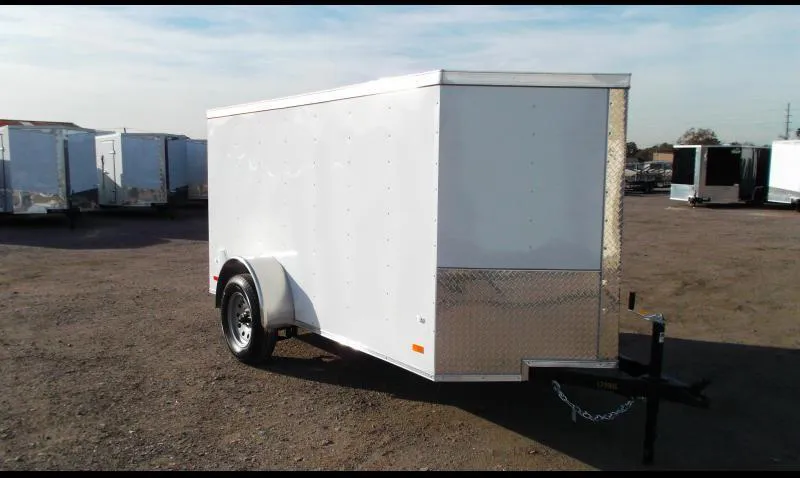
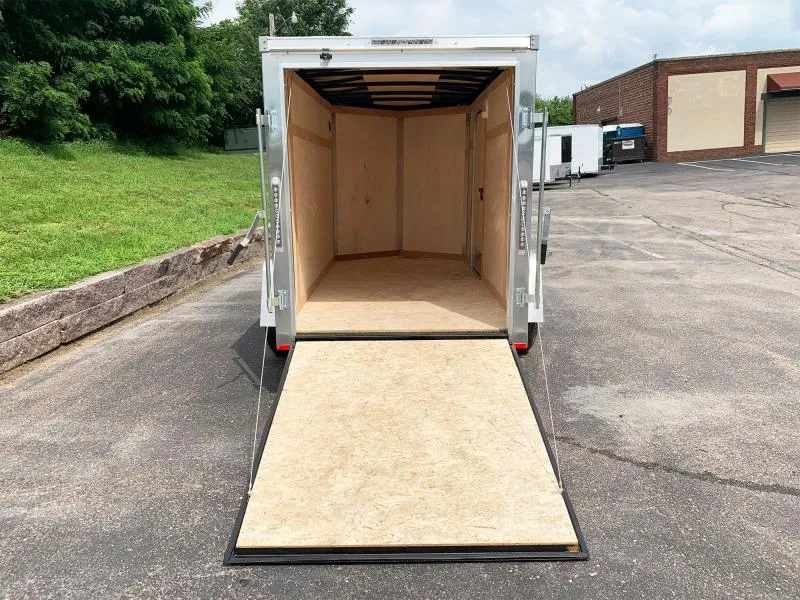
A 5x10 enclosed trailer is a remarkably versatile tool, offering a compact yet spacious solution for hauling everything from landscaping equipment to treasured antiques. But when your cargo is sensitive to temperature, humidity, or road noise, a standard metal box won’t suffice. This is where insulation transforms a simple cargo trailer into a specialized, high-value asset. This guide will walk you through every critical consideration, from the nuances of insulation types to the non-negotiable safety features, ensuring you find the perfect insulated 5x10 enclosed trailer for your needs.
The Growing Need for Specialized Cargo Solutions
The demand for adaptable hauling is on the rise. As the global utility trailers market continues its steady expansion, projected to reach USD 1.89 billion by 2033, more buyers are seeking solutions that go beyond basic transport. For businesses moving delicate electronics, artisans transporting finished goods, or hobbyists protecting valuable gear, a climate-controlled environment is no longer a luxury—it’s a necessity. This shift has elevated the insulated enclosed cargo trailer from a niche product to a mainstream workhorse.
What Makes an Insulated 5x10 Trailer Stand Out? (More than just a standard cargo trailer)
An insulated 5x10 cargo trailer is more than just a standard trailer with foam panels. It’s a purpose-built environment designed for protection. The primary difference lies in its ability to create a thermal barrier between the interior and the outside world. This protects contents from extreme heat and cold, minimizes damaging condensation, and even provides a significant reduction in road noise. While a standard trailer offers security from theft and weather, an insulated model adds a crucial layer of environmental protection for your most valuable assets.
The Core Advantage: Understanding Insulation for Trailers
Insulation is the single most important feature that defines this category of trailer. Understanding its role, the materials used, and its proper application is fundamental to making an informed purchase.
Why Insulation is Crucial for Your 5x10 Enclosed Trailer
The benefits of insulation extend far beyond simple temperature moderation. It prevents the rapid temperature swings that can damage sensitive items like wooden furniture, electronics, and artwork. In humid climates, it is the first line of defense against condensation, which can lead to mold, mildew, and corrosion. Furthermore, it provides excellent sound dampening, creating a quieter towing experience and a more pleasant environment if the trailer is used as a mobile workspace.
Types of Insulation Materials and Their R-Values
Different insulation materials offer varying levels of thermal resistance, measured in R-value—the higher the R-value, the better the insulating performance.
- Rigid Foam Board (XPS/EPS): A common and effective choice, offering a good balance of R-value, moisture resistance, and structural rigidity. It’s relatively easy to install and provides consistent performance.
- Spray Foam (Closed-Cell): Often considered the premium option. It adheres directly to the trailer’s interior surfaces, creating a seamless air and moisture barrier. It also adds a degree of structural strength to the trailer walls and has a very high R-value per inch. The growing demand for temperature control is evident across the industry, with the refrigerated trailer market projected to expand significantly, underscoring the value of effective thermal management.
Where Insulation is Applied: Walls, Ceiling, and Floor (Interior Walls, Interior Floor)
For maximum effectiveness, insulation must create a complete thermal envelope. This means treating all six sides of the trailer’s interior. Quality manufacturers will insulate the interior walls and ceiling as a standard part of their insulation package. However, don’t overlook the interior floor. Insulating the floor is critical for preventing heat transfer from hot asphalt in the summer and cold ground in the winter, completing the protective shield around your cargo.
Essential Features of a Quality 5x10 Enclosed Trailer (with an Insulation Focus)
Beyond the insulation itself, the underlying structure and features of the trailer are what guarantee longevity, safety, and usability.
Structural Integrity: The Foundation of Your Trailer
The strength of any enclosed cargo trailer begins with its main frame. Look for robust steel construction with high-quality welds. The frame is the skeleton that supports the entire structure, and compromising here can lead to premature wear and failure. The wall studs and roof bows should also be made of sturdy material and spaced appropriately (typically 16 inches on-center) to support the interior walls and prevent flexing.
Axles and Suspension: Ride Quality and Load Bearing
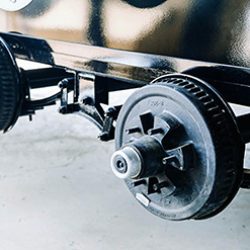
The axle system is critical for both ride quality and safety. For a 5x10 trailer carrying sensitive equipment, torsion axles are highly recommended over standard leaf springs. Torsion axles operate independently for each wheel, providing a much smoother ride that absorbs road shock more effectively. This reduces vibrations transferred to your cargo. While a tandem axle configuration is uncommon on a 5x10 model due to its size, a high-quality single torsion axle is more than sufficient for its intended load.
Exterior Design: Aerodynamics and Protection
The exterior design impacts both fuel efficiency and durability. A V-nose design is a popular feature that helps the trailer cut through the wind more easily, potentially improving your tow vehicle’s gas mileage and enhancing vehicle control in crosswinds. The exterior aluminum skin should be thick enough (.030″ or thicker is preferable) to resist dents and punctures. For maximum longevity, look for an asphalt undercoating paint on the frame, which provides a vital barrier against rust and corrosion from road salt and moisture.
Access and Ventilation
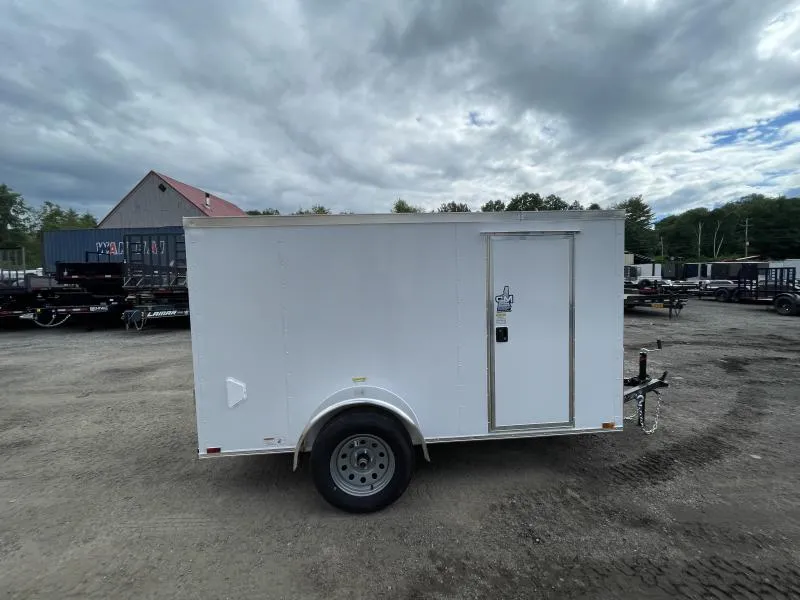
Proper access and ventilation are crucial, especially in an insulated trailer. A side door, often called a man door, provides convenient access to your cargo without having to open the main rear door. For ventilation, a roof vent is non-negotiable. It allows hot air and moisture to escape, preventing condensation buildup that could compromise both your cargo and the insulation itself.
Payload, Weight, and Towing Considerations
Understanding weight is fundamental to safe and legal towing. Insulation adds weight, which must be factored into your calculations.
Understanding Payload Capacity: How Insulation Affects Weight
Every trailer has a Gross Vehicle Weight Rating (GVWR), which is the maximum total weight of the trailer and its cargo. The payload capacity is the GVWR minus the trailer’s empty (curb) weight. Insulation, interior finishing, and other custom options add to the curb weight, thereby reducing the available payload capacity. Always confirm the actual curb weight of the specific trailer you are considering and calculate your payload needs accordingly to avoid dangerous overloading.
Matching Trailer to Tow Vehicle: Safe Towing Practices
Your tow vehicle must be rated to handle the trailer’s fully loaded weight (GVWR). Check your vehicle’s owner’s manual for its maximum towing capacity and Gross Combined Weight Rating (GCWR). Never exceed these limits. Proper weight distribution is also key to maintaining vehicle control. Aim for a tongue weight that is 10-15% of the total trailer weight to prevent dangerous trailer sway.
Safety and Legal Essentials for Your Insulated Trailer
Safety should never be an afterthought. Brakes, lights, and proper registration are legal requirements and critical components for safe operation.
Braking Systems: Non-Negotiable for Safety
For a trailer of this size and potential weight, electric brakes are an essential safety feature. They are synchronized with your tow vehicle’s brakes via an in-cab controller, providing smooth, proportional stopping power. This dramatically shortens stopping distances and improves vehicle control during sudden stops. An emergency braking system, such as a breakaway kit, is also a legal requirement in most areas. It will automatically apply the trailer’s brakes if it ever detaches from the tow vehicle.
Lighting and Electrical Connections
Proper lighting is critical for visibility. Modern trailers should be equipped with long-lasting, bright LED lights for all tail, brake, and marker lights. The trailer will typically connect to your vehicle’s electrical system using a 4-way flat plug, which powers the basic running lights and turn signals. If your trailer has electric brakes, you will need a 7-way connector and a brake controller installed in your tow vehicle.
Registration and Identification
Every legally manufactured trailer will have a unique Vehicle Identification Number (VIN number) stamped on a placard, usually near the tongue. This VIN number is required for registration, titling, and insurance, just like any other vehicle. Ensure the VIN on the trailer matches the paperwork before finalizing your purchase.
General Safety Considerations for Operating an Enclosed Trailer
Always conduct a pre-trip inspection, checking tire pressure, lights, and the hitch connection. Be mindful of the trailer’s increased height and width, especially at gas stations and in areas with low-hanging branches. Remember that different driving conditions, such as high winds or wet roads, will affect handling, requiring slower speeds and greater following distances.
Customization Options for Your Ideal Insulated 5x10 Trailer
One of the greatest advantages of buying a new trailer is the ability to create a custom trailer tailored to your exact specifications.
Beyond the Basics: Tailoring Your Custom Trailer
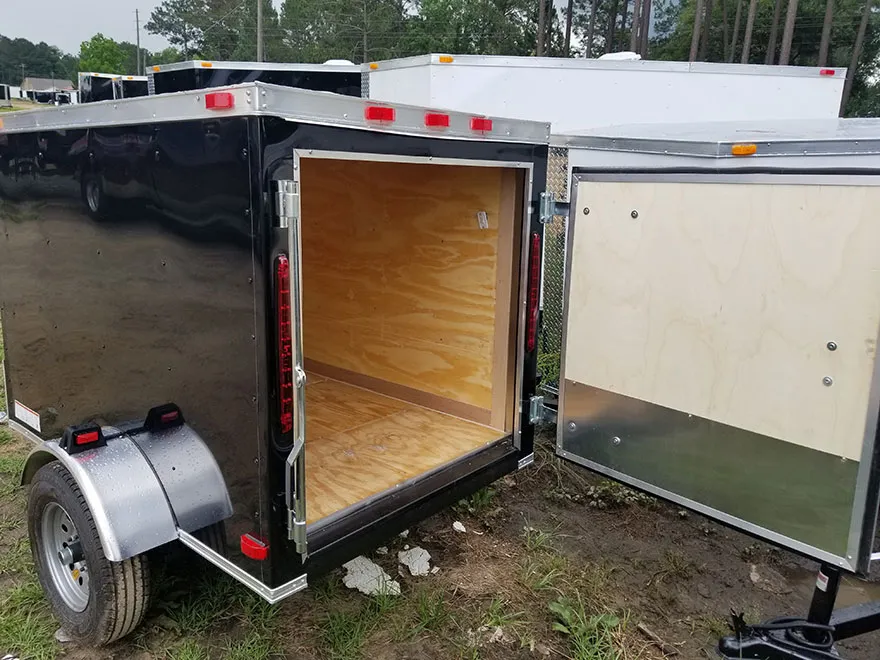
Working with a reputable dealer or manufacturer opens up a world of custom options. You can often choose the exterior color, the type of rear door (ramp vs. barn doors), and the placement of the side door. Interior finishes can also be upgraded from standard plywood to more durable or aesthetically pleasing materials, creating a truly personalized unit.
Specialized Additions for Enhanced Utility
For those with specific needs, customization can go even further. Options like recessed floor E-track systems provide versatile and secure anchor points for tying down cargo. You can add electrical packages with interior lighting and outlets, or even a reinforced walk-on roof for mounting equipment or observation decks. A quality production team can integrate these features seamlessly during the build process.
Stabilizer Jacks: Securing Your Trailer While Parked
If you plan to load or unload the trailer while it’s unhitched, or use it as a stationary workspace, stabilizer jacks are a must-have addition. Mounted at the rear corners of the trailer, these jacks prevent the trailer from tipping or becoming unstable when you walk inside or move heavy items around.
Choosing the Right Manufacturer and Making Your Purchase
Your final decision will come down to choosing a quality product from a reputable source.
Researching Reputable Trailer Manufacturers (production team)
Look for manufacturers with a long history of quality construction and positive customer reviews. A good production team pays attention to details like the quality of welds, wiring neatness, and the fit and finish of doors and seals. Don’t be afraid to ask about their manufacturing process and the materials they use.
The Buying Process: What to Look For
When inspecting a trailer, check that all doors seal tightly to maintain the integrity of the insulated space. Examine the undercarriage for a clean, even application of undercoating. Test all lights and walk through the interior to check for any flaws in the wall and floor panels. Finally, be sure to get a clear understanding of the warranty coverage and what it includes.
Conclusion
Finding the perfect 5x10 enclosed trailer with insulation is about more than just dimensions and price; it’s about investing in a specialized tool that protects your valuable cargo. By prioritizing a strong main frame, a smooth-riding torsion axle, and a comprehensive insulation package that includes the walls, ceiling, and floor, you create a secure, climate-controlled environment on wheels. Features like a V-nose, a roof vent, and essential safety systems such as electric brakes elevate the trailer from a simple box to a high-performance asset.
As you move forward, your next steps should be to clearly define your cargo’s specific needs, assess your tow vehicle’s capabilities, and research manufacturers known for their quality production team. Armed with this knowledge, you can confidently specify the custom options you need and make a purchase that will provide reliable service and peace of mind for years to come, securing your place in the growing global cargo trailer market that is projected to reach USD 38.5 billion by 2032.