

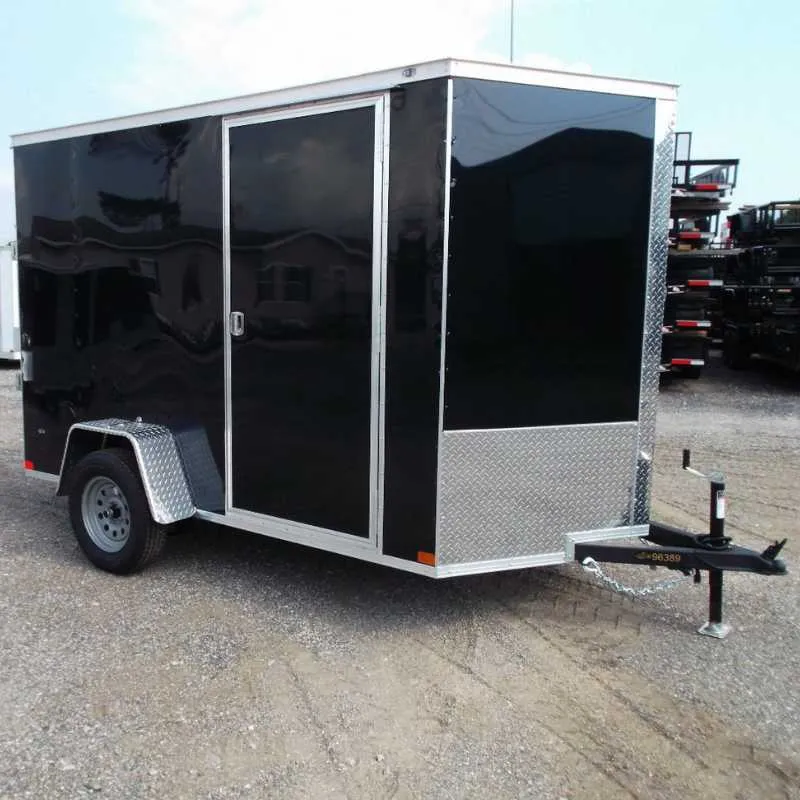


A 6x10 single axle enclosed cargo trailer is a paragon of versatility, a compact yet capable workhorse for contractors, hobbyists, and small businesses alike. But in its standard form, it’s essentially a metal box on wheels, susceptible to the whims of the environment. Extreme heat, freezing cold, and ambient noise can compromise your cargo and limit your trailer’s utility. The solution is often overlooked yet profoundly transformative: insulation. As the global automotive trailer market is projected to grow to over USD 37 billion by 2032, according to SkyQuest Technology, understanding how to maximize the value of these assets is more important than ever. This guide explores the key benefits of insulating your 6x10 trailer, turning a simple hauler into a protected, efficient, and highly versatile mobile space.
More Than Just a Box on Wheels: The Overlooked Advantage
Many owners focus on payload capacity, axle type, and door configuration, yet the interior environment is a critical factor that directly impacts the condition of your tools, materials, and equipment. An uninsulated enclosed trailer can become an oven in the summer and an icebox in the winter, creating a hostile environment for sensitive cargo. Condensation can form on the interior walls and ceiling, leading to rust, mold, and water damage. By addressing these core vulnerabilities, insulation unlocks the full potential of your investment, providing a stable and secure environment for whatever you haul.
The Core Benefits: How Insulation Transforms Your Trailer
Adding insulation is not merely a feature; it’s a fundamental upgrade that delivers a cascade of benefits, enhancing protection, comfort, and functionality. As awareness grows, the global insulation market is expected to reach USD 86.7 billion by 2033, a testament to its value across industries, as noted by Research and Markets.
Temperature Regulation: Protect Your Cargo from Extremes
The most immediate benefit of insulation is its ability to create a thermal barrier. In hot weather, it reflects solar radiation, keeping the interior significantly cooler than the outside temperature. This is crucial for protecting temperature-sensitive items like electronics, paint, chemicals, and vinyl-wrapped equipment from warping, degradation, or damage. In cold climates, insulation traps residual heat and slows the rate of temperature drop, preventing liquids from freezing and protecting delicate tools from the damaging effects of extreme cold. This stability transforms your enclosed trailer from a simple container into a reliable mobile storage unit.
Condensation Control: Prevent Moisture Damage and Mold
Temperature fluctuations on the thin exterior metal of an uninsulated trailer cause condensation, or “sweating.” This moisture can drip onto your cargo, ruin cardboard boxes, corrode metal tools, and promote the growth of mold and mildew. Insulation, by keeping the interior wall surface temperature closer to the interior air temperature, drastically reduces the potential for condensation. This proactive moisture control is essential for preserving the value of your cargo and maintaining the structural integrity of the trailer itself over the long term.
Sound Dampening: Enhance Comfort and Protect Sensitive Cargo
An uninsulated metal trailer can be an echo chamber, amplifying road noise, vibrations, and external sounds. This can be more than just an annoyance; it can be detrimental to sensitive cargo like musical instruments or delicate electronics. Insulation materials, particularly foam-based options, are excellent at absorbing sound waves. The result is a dramatically quieter ride and a more serene interior environment, making the trailer more comfortable to work in and safer for transporting noise-sensitive items.
Energy Efficiency: Reduce Operating Costs for Powered Trailers
For users who have equipped their trailer with an electrical package for climate control (heating or air conditioning), insulation is a necessity, not a luxury. An insulated space requires significantly less energy to heat or cool, reducing the strain on your generator or power source and lowering fuel consumption. This efficiency translates directly into lower operating costs and a more sustainable setup for mobile workshops, concession stands, or climate-controlled transport.
Structural Protection and Longevity: Preserve Your Investment
Beyond protecting your cargo, insulation also protects the trailer itself. By mitigating extreme temperature swings and preventing condensation, insulation helps reduce the stress on seals, adhesives, and the exterior metal panels. It minimizes the expansion and contraction cycles that can weaken joints over time and provides a barrier against moisture that could lead to corrosion on the main frame. This added layer of protection contributes directly to the trailer’s longevity and resale value.
Insulation in Context: Enhance Your Trailer’s Core Features
Insulation does not exist in a vacuum. Its benefits are maximized when supported by a well-constructed trailer with high-quality components. A smart buyer considers how insulation integrates with the trailer’s foundational elements.
A Robust Foundation: The Main Frame and Exterior
A strong chassis is non-negotiable. Whether built with a heavy-duty steel tube or an I-BEAM FRAME, the main frame provides the rigidity needed to support the entire structure, including the added weight of insulation and interior finishing. This structural integrity ensures safe handling and long-term durability. The exterior metal panels work in tandem with insulation, while a protective layer like an asphalt undercoating paint adds another shield against road debris and moisture from below, creating a comprehensive protective system.
Accessibility and Security: Doors and Entry Points
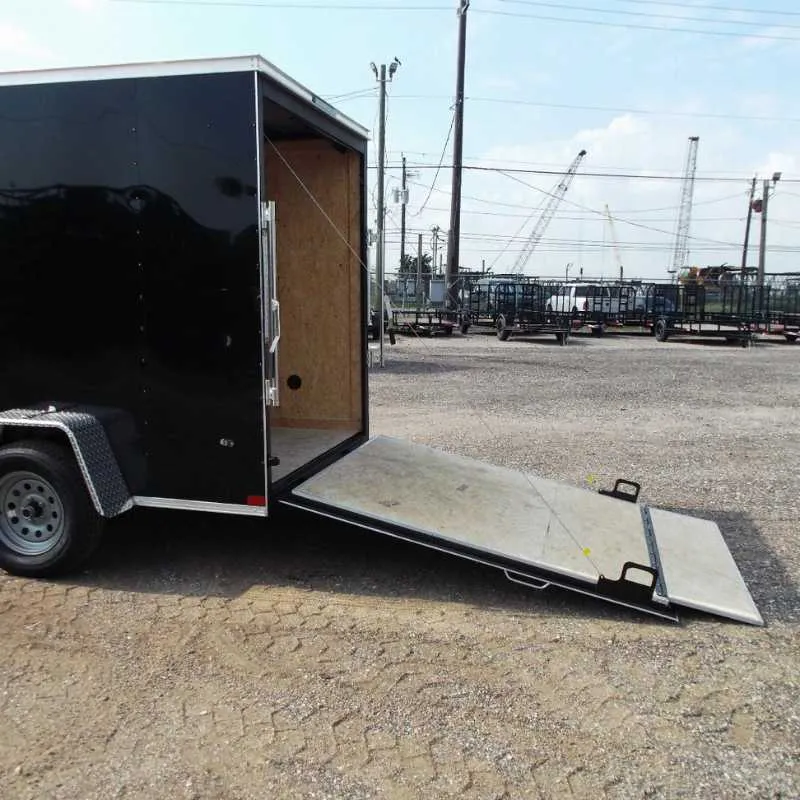
A ramp door and a side door are crucial for accessibility, but they can also be points of thermal loss. Insulating these doors is just as important as insulating the walls and ceiling. A well-insulated ramp door not only helps maintain a consistent interior temperature but also adds rigidity and a more solid feel. A properly sealed side door ensures that your efforts to create a climate-controlled space aren’t compromised every time you need to grab a tool.
The Journey: Axles, Brakes, and Your Overall Towing Experience
The added weight of insulation and any interior build-out must be accounted for in your trailer’s running gear. It’s vital to ensure you remain within the designated payload capacity. The choice between a spring axle, known for its cost-effectiveness and durability, and a torsion axle, which offers a smoother ride, can impact how your cargo is treated on the road. Regardless of axle type, a reliable set of electric brakes is a critical safety consideration. Properly functioning electric brakes provide the stopping power necessary for confident vehicle control and safe emergency handling, especially with a fully loaded, insulated trailer.
Practical Applications: Who Benefits Most from an Insulated 6x10 Trailer?
The advantages of insulation extend to a wide range of users, each benefiting in unique ways.
Tradesmen and Contractors
For plumbers, electricians, painters, and carpenters, a trailer is a mobile tool crib. Insulation protects expensive power tools from damaging moisture and extreme temperatures that can degrade batteries and damage electronics. It keeps paints, caulks, and adhesives at a viable temperature, preventing waste and ensuring materials are ready for use upon arrival at a job site.
Recreational Users
Outdoor enthusiasts use 6x10 trailers to haul ATVs, motorcycles, kayaks, and camping gear. Insulation protects this valuable equipment from the elements during transport and storage. For those who convert their cargo trailer into a basic camper, insulation is the first step toward creating a comfortable, multi-season living space by regulating temperature and reducing outside noise.
Specialty Transport
Businesses and individuals transporting delicate or high-value goods find insulation indispensable. This includes caterers moving food, florists protecting arrangements, antique dealers preserving furniture finishes, or technicians transporting sensitive electronic equipment. The stable, moisture-free environment an insulated trailer provides is crucial for delivering these goods in perfect condition. This mirrors trends seen in larger-scale transport, where the multi-temperature refrigerated trailer market continues to grow due to demand for temperature-sensitive goods.
Mobile Businesses and Workshpos: Comfort and Productivity
For mobile pet groomers, pop-up retail shops, or on-site repair services, the trailer is their workplace. Insulation makes this space comfortable for both the operator and their clients year-round. It allows for efficient heating and cooling, creating a productive environment that would be untenable in an uninsulated metal box.
Choosing and Installing Insulation for Your 6x10 Trailer
Once you’ve decided to insulate, the next step is selecting the right materials and ensuring a proper installation.
Types of Insulation: Understand Your Options
Several types of insulation are well-suited for a cargo trailer:
- Rigid Foam Board (EPS, XPS, Polyiso): Easy to cut and fit between the trailer’s wall studs and ceiling bows. It offers a high R-value (a measure of thermal resistance) for its thickness and acts as a vapor barrier.
- Spray Foam Insulation: Provides the most complete seal, filling every crack and crevice for superior thermal and air-sealing performance. It also adds structural rigidity. Professional installation is typically required.
- Fiberglass Batts: A traditional and affordable option, but it requires a separate vapor barrier and can lose its insulating properties if it gets damp.
Key Considerations for Installation
Proper installation is key to maximizing performance. This includes carefully sealing all seams and gaps to prevent air leakage. Pay close attention to thermal bridging—areas where heat can travel through the metal frame members. Applying thermal tape over studs before installing interior walls can help mitigate this. Finally, consider the interior height, as thicker insulation will slightly reduce the available space.
Beyond Insulation: Complementary Upgrades for a Fully Elevated Trailer
Insulation is a cornerstone upgrade, but several other custom options can work with it to create a truly optimized trailer.
Enhancing Functionality and Lighting
An electrical package is a perfect complement to an insulated trailer, allowing you to power lights, tools, and climate control systems. Modern, efficient LED lights provide bright illumination with minimal heat output and energy consumption, making the interior a safe and usable workspace day or night.
Organization and Security
Once the interior is protected, you can confidently install shelving, cabinets, and E-track systems to organize your cargo securely. Upgraded locks and security systems add peace of mind, ensuring that the valuable, well-protected contents of your trailer remain safe.
Quality and Maintenance
Look for trailers with features that promise longevity and ease of maintenance, such as E-Z Lube Hubs, which simplify bearing maintenance. Always having a spare tire mount is a practical necessity for any serious trailer user, ensuring you’re prepared for roadside issues.
Why Choose Our Insulated 6x10 Single Axle Trailer?
Selecting the right trailer is about more than just specifications; it’s about partnering with a production team that understands quality and customization.
Our Commitment to Quality and Your Cargo
We start with a robust main frame and build from there, using quality materials and proven construction techniques. Every trailer is assigned a unique VIN number for clear identification and tracking. Our focus is on creating a durable, reliable product that provides a secure foundation for custom options like insulation, ensuring your trailer is built to last.
Customization and Long-Term Value
We believe a trailer should be tailored to your specific needs. We offer a range of custom options, with insulation being one of the most valuable. Our team works with you to select the right insulation type and integrate it seamlessly with other features like an electrical package, reinforced doors, and organizational systems, delivering a trailer that offers superior performance and long-term value.
Conclusion: Insulate for an Unrivaled Trailer Experience
Insulating your 6x10 single axle trailer is one of the most impactful investments you can make. It elevates the vehicle from a simple hauler to a protected, versatile, and efficient mobile asset. By providing crucial temperature regulation, condensation control, sound dampening, and energy efficiency, insulation protects your cargo, enhances your comfort, and expands the possibilities of what your enclosed trailer can do. It safeguards your tools, preserves your goods, and ultimately protects your bottom line. When considering your next trailer, don’t just ask about payload and price; ask how it’s built to protect what’s inside. Choose insulation, and unlock the true potential of your 6x10 trailer.