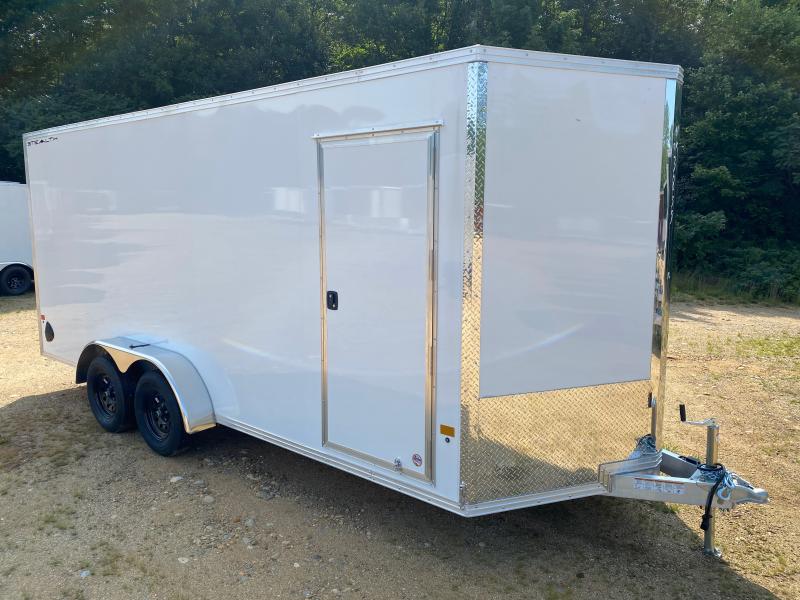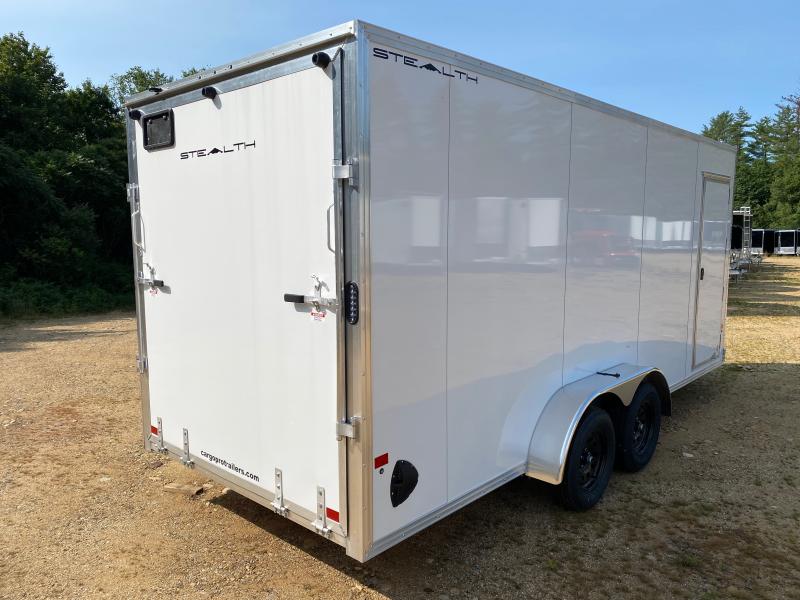



Overall Length: 21’6″ / 258 in (Breakdown: 18′ on the Box + 3’6″ on the Tongue) 20″ on the Vnose
Overall Width: 8’6″ / 102 in (Breakdown: 7′ on the Box + 9″ on each Fender)
Overall Height ( Diamond ): 8’4″ / 100 in (Breakdown: 7′ on the Box + 16″ from the ground to the box)
Overall Height (Anvil): 7’7″ / 91 in (Breakdown: 6’3″ on the Box + 16″ from the ground to the box)
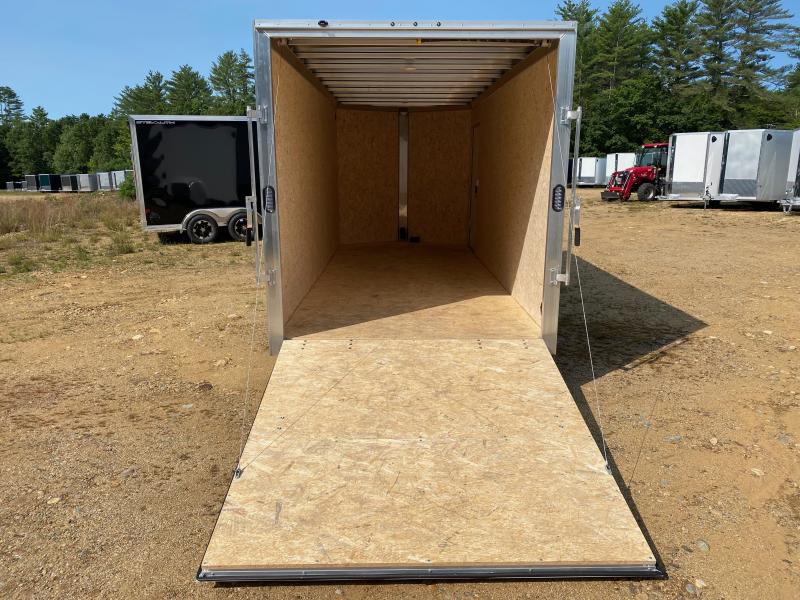
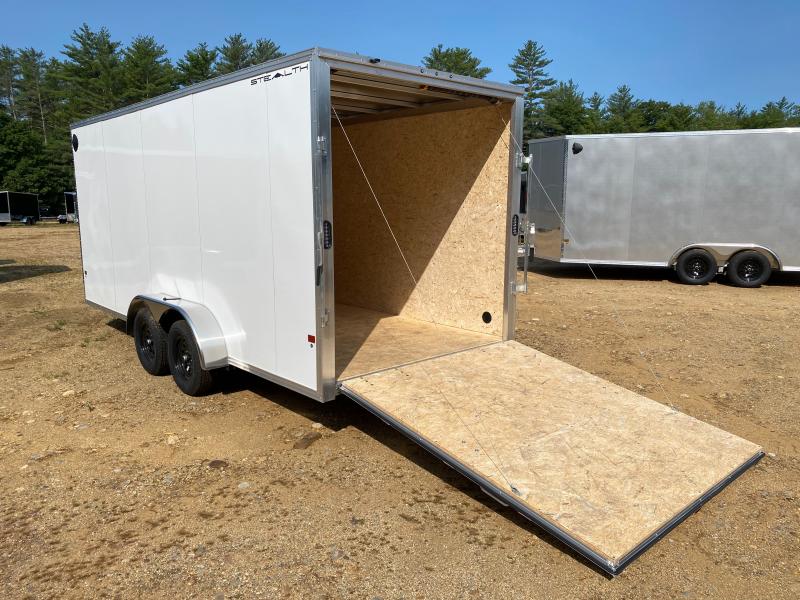
Overall Length: 17’9″ Box (Breakdown: Subtract 3″ which counts for rear door & framing) plus 20″ on the Vnose
Overall Width: 6’8″ (Breakdown: Subtract 4″ (2″ on each side) which counts for plywood & framing)
Overall Height ( Diamond ): 7′
Overall Height (Anvil): 6’3″
Width: 74″ (Breakdown: Subtract 10″ (5 on each side) which counts for plywood & framing)
Height ( Diamond ): 78″ (Breakdown: Subtract 6″ which counts for plywood & framing)
Height (Anvil): 69″ (Breakdown: Subtract 6″ which counts for plywood & framing)
7-way Round plug
5x4.5 (5 Lug)
6 Ply
Screws are 4′ apart instead of being every 2′
It’s an asphalt undercoating paint
We developed a section exclusively for Custom Options where we show sample photos and explain most popular options:
Click Here for More Information.
Here are examples of some of the most popular Custom Options:
– Blackout Package
– Electrical Package
– Insulation Package
– Rubber Flooring
– Etracks
– D-rings
– Windows
– Extended Tongue
– Extra Height
– Ladder Racks
– Finished Interior (Metal/Vinyl)
– Air Conditioner
– Lighting Options
– Axle Upgrades
– Concession Window
– Special Door Options
– Cabinets
– Barn Doors


When purchasing a 7x18 double axle enclosed trailer, buyers meticulously review specifications like payload capacity, ramp door strength, and axle type. However, one of the most transformative features is often relegated to an afterthought: insulation. This isn’t just an optional extra for extreme climates; it’s a fundamental upgrade that enhances the trailer’s utility, protects its contents, and preserves its long-term value. An enclosed cargo trailer is more than a simple box on wheels; it’s a mobile storage unit, a workshop, or a transport vessel for your most valuable assets. Treating its interior environment as a critical component is the first step toward making a truly smart investment.
Introduction: Beyond Basic Hauling – The Smart Choice for Your 7x18 Enclosed Trailer
Choosing a 7x18 tandem axle trailer signifies a need for substantial space and stability. This popular size is a workhorse for contractors, powersports enthusiasts, and businesses on the move. But a standard, uninsulated trailer is little more than a thin metal shell, subject to the whims of the weather. The smart choice involves looking beyond the basic structure and considering how the interior environment will function. An insulated trailer moves beyond basic hauling, transforming into a controlled, protected space that actively safeguards your cargo.
The Overlooked Essential: Why Insulation Matters More Than You Think
Many potential buyers overlook insulation, viewing it as a niche requirement. This is a significant mistake. An uninsulated trailer can become a sweltering oven in the summer sun or a condensation-filled icebox in the winter, putting everything from tools and equipment to sensitive electronics and furniture at risk. Insulation is the barrier that stands between your valuable cargo and these damaging environmental extremes. It’s about more than comfort; it’s about control, protection, and peace of mind.
The Foundation: Understanding the 7x18 Double Axle Enclosed Trailer
Before appreciating the role of insulation, it’s vital to understand the robust platform it enhances. The 7x18 double axle enclosed trailer is prized for its combination of maneuverable size and significant hauling capability, making it a versatile asset for a wide range of applications.
Protecting Your Cargo: Maintaining Temperature Stability and Environmental Control
At its core, an enclosed trailer’s primary job is protection. However, protection extends beyond security from theft or rain. Uncontrolled temperature swings can be just as damaging. Electronics can fail in extreme heat, wood can warp from moisture, and liquids can freeze and expand. Insulation provides a crucial layer of environmental control, stabilizing the interior temperature and creating a buffer against the outside world.
The Overlooked Essential: Why Insulation Matters More Than You Think
Revisiting this critical point from a structural perspective, the entire trailer system is built to carry and protect. The tandem axle configuration provides stability for heavy loads, but this stability is compromised if the cargo inside is damaged by heat or cold. The robust main frame, side walls, and cross members create a strong shell, but without insulation, this shell merely transfers exterior temperatures directly to your payload. Insulation completes the protective system that the trailer’s foundation begins.
Energy Efficiency and Operational Cost Savings
For users who convert their trailer into a mobile office, workshop, or living space, insulation is non-negotiable for energy efficiency. Heating or cooling an uninsulated metal box is an expensive and futile effort. Insulation dramatically reduces the energy required to maintain a comfortable temperature, leading to significant long-term savings. As noted in similar structures, retrofitting with insulation can save up to 31% on average in heating fuel use, a principle that directly applies to climate-controlled trailers.
The Core Benefits of an Insulated 7x18 Double Axle Enclosed Trailer
The benefits are clear and compelling. First, superior cargo protection from temperature and condensation damage. Second, enhanced versatility, allowing the trailer to be used for a wider range of applications, from hauling temperature-sensitive goods to serving as a functional workspace. Third, improved comfort and noise reduction for anyone working inside. Finally, increased resale value, making it a wiser long-term investment.
Understanding Insulation in Your Enclosed Cargo Trailer
Insulation is not a one-size-fits-all solution. Understanding its application, materials, and how it functions within the trailer’s structure is key to making an informed decision. With the enclosed trailer market projected to grow, driven by the need for secure transportation away from sunlight and weather, the demand for well-insulated models is rising.
Protecting Your Cargo: Maintaining Temperature Stability and Environmental Control
Insulation works by slowing the transfer of heat. In summer, it slows the sun’s heat from penetrating the trailer walls and roof. In winter, it keeps the cold out and retains any residual warmth inside. This thermal barrier is crucial for preventing condensation, which occurs when warm, moist air meets a cold surface like an uninsulated trailer wall. This moisture can lead to rust, mold, and water damage to your cargo. The stakes are high; investigations have found that as much as 20% of perishable goods are damaged due to poor temperature control, a risk that insulation directly mitigates.
Where Insulation is Applied: Walls, Ceiling, Floor, and Doors
For maximum effectiveness, insulation should create a complete thermal envelope. This means treating all six sides of the interior: the side walls, the front wall, the ceiling, the floor, and both the main Ramp Door and the Side Door. The main frame and cross members can create thermal bridges (areas where heat transfers more easily), so a comprehensive application that covers or fills these gaps is essential for optimal performance.
Enhanced Versatility and Usability for Diverse Applications
An insulated enclosed trailer unlocks new possibilities. It can be safely used to transport pets, plants, artwork, or musical instruments. It becomes a viable option for mobile catering, a climate-controlled tool crib for construction sites, or a comfortable basecamp for outdoor recreational activities. The stability offered by the Tandem Axle Trailer combined with a controlled environment makes it a far more capable and adaptable asset for both professional and personal use.
How Insulation Integrates with Other Essential Trailer Features
Insulation does not exist in a vacuum. Its effectiveness is amplified when it works in concert with other high-quality trailer components and popular options, creating a cohesive, high-performance system.
Energy Efficiency and Operational Cost Savings
When you plan to power your trailer for climate control or tools, efficiency becomes paramount. Integrating a power package with a GFCI Outlet and a 30-amp motor base is a common upgrade. In an insulated trailer, a small air conditioner or heater can maintain the desired temperature with minimal effort, whereas in an uninsulated trailer, the same unit would run constantly, consuming more energy and suffering from excessive wear and tear.
Electrical Systems: Powering Your Climate-Controlled Environment
A well-planned electrical system is essential for a functional, climate-controlled trailer. This includes not just power hookups but also interior lighting. An insulated ceiling provides a perfect cavity for running wiring cleanly and installing efficient LED lights. This integration ensures the entire space is usable and comfortable, powered by optional equipment that turns the cargo trailer into a professional-grade mobile unit.
Noise Reduction and Improved Interior Comfort
An often-underappreciated benefit of insulation is its acoustic dampening properties. The materials used to block thermal transfer also absorb sound waves, creating a significantly quieter interior. As experts note, insulation acts as a natural sound barrier, reducing road noise during transit and blocking external noise when parked. This makes the trailer a more pleasant environment for working or resting.
Undercoating and Tires: Holistic Protection and Performance
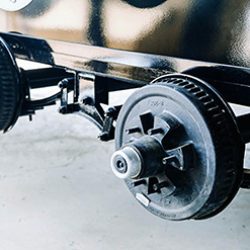
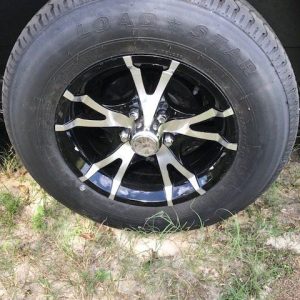
Holistic trailer protection starts from the ground up. An Asphalt Undercoating protects the main frame and chassis from moisture and corrosion from below, complementing the work insulation does from within. Similarly, high-quality Radial Tires ensure a smoother ride. This is crucial because less vibration and jostling means your securely fastened cargo, protected within its temperature-stable environment, arrives in perfect condition. Axle choices, like smoother-riding Torsion Axles versus traditional Leaf Spring or spring axles, also contribute to this protective ecosystem.
Understanding Insulation in Your Enclosed Cargo Trailer
Making the right choice involves understanding the different types of insulation available and the best methods for installation. The details matter in creating an effective and durable thermal barrier.
Factory Installed vs. Aftermarket Installation
While it’s possible to insulate a trailer after purchase, opting for factory installation is almost always the superior choice. Manufacturers can integrate the insulation seamlessly behind the side walls and ceiling panels during construction, ensuring a complete and professional fit. This avoids issues with improper sealing or damage to the interior finish that can occur with a DIY retrofit.
Common Types of Trailer Insulation Materials
Several materials are commonly used, each with its own pros and cons.
- Rigid Foam Board (XPS/Polyiso): Offers a high R-value (a measure of thermal resistance) per inch, is moisture-resistant, and provides structural rigidity. It’s an excellent all-around choice.
- Spray Foam (Closed-Cell): Provides the highest R-value and creates a perfect air and vapor seal, conforming to every nook and cranny. It also adds significant structural strength to the trailer’s walls.
- Fiberglass Batts: A more traditional and budget-friendly option, but it can lose effectiveness if it becomes compressed or exposed to moisture, making a proper vapor barrier critical.
Ventilation and Airflow Management
An airtight, insulated trailer still requires proper ventilation to manage air quality and prevent moisture buildup from sources inside the trailer (e.g., breathing, wet gear). Installing a simple roof vent or side vents allows for controlled airflow, ensuring a healthy interior environment without compromising the insulating properties.
Where Insulation is Applied: Walls, Ceiling, Floor, and Doors
A complete application is non-negotiable for performance. The ceiling is the most critical area for blocking solar heat gain. Walls are next, followed by the floor, which can radiate cold from the ground. Special attention must be paid to the Ramp Door and Side Door, which are common points of thermal loss. Ensuring these are insulated and well-sealed is key to maintaining the integrity of the thermal envelope.
Maximizing Your Investment: Longevity and Resale Value
Choosing an insulated 7x18 double axle enclosed trailer is an investment in the future. It not only provides immediate benefits but also contributes to the trailer’s long-term health and financial worth.
The Critical Role of a Vapor Barrier
With certain types of insulation, like fiberglass, a vapor barrier is essential. This thin membrane prevents warm, moist interior air from reaching the cold exterior skin of the trailer, where it would condense. This prevents moisture from becoming trapped within the wall cavity, which could lead to mold, rot, and a reduction in insulating effectiveness over time. Materials like closed-cell spray foam act as their own vapor barrier.
Increased Resale Value and Desirability
When it comes time to sell, an insulated trailer stands out in the market. It appeals to a broader range of buyers who understand the value of a protected, versatile unit. This added feature often allows the trailer to command a higher price and sell more quickly than its uninsulated counterparts, ensuring you recoup a significant portion of your initial investment.
How Insulation Integrates with Other Essential Trailer Features
The final consideration is how insulation ties everything together, transforming a collection of quality parts into a superior, fully integrated unit.
Recapping the Essential Role of Insulation
Insulation is the unseen hero that elevates a 7x18 enclosed trailer from a simple container to a high-performance tool. It protects cargo, increases versatility, enhances comfort, and boosts long-term value. It works with the robust main frame, the reliable tandem axles with their EZ lube hubs, and the secure tie downs to deliver a complete, professional-grade hauling solution.
Doors and Openings: Sealing for Maximum Efficiency
The best insulation in the world is useless if the doors don’t seal properly. A well-built, insulated Ramp Door, potentially with a Reinforce Existing Standard Rear Ramp Door option for heavy use, is crucial. High-quality gaskets and latches on both the ramp and Side Door ensure a tight seal, preventing drafts and thermal leakage and locking in the benefits of the insulated interior.
Conclusion
When selecting your 7x18 double axle enclosed trailer, the discussion should extend far beyond Empty Weight and Trailer GVW. The decision to include insulation is one of the most impactful choices you can make. It is a strategic investment in the protection of your cargo, the versatility of your trailer, and its overall longevity and value. By prioritizing a fully insulated envelope, you are not just buying a cargo trailer; you are acquiring a controlled, secure, and highly capable mobile asset prepared for any task and any season. Don’t treat it as an optional feature—recognize it as an essential component for maximizing your trailer’s potential.