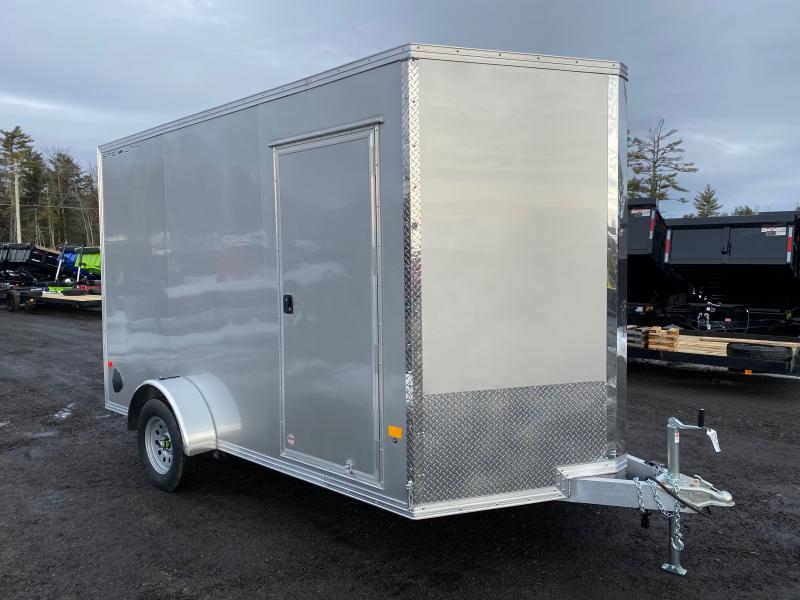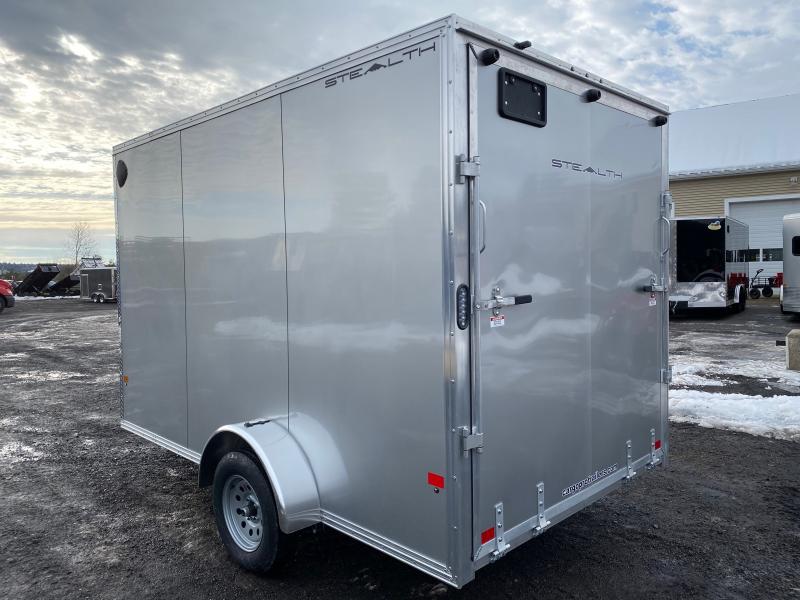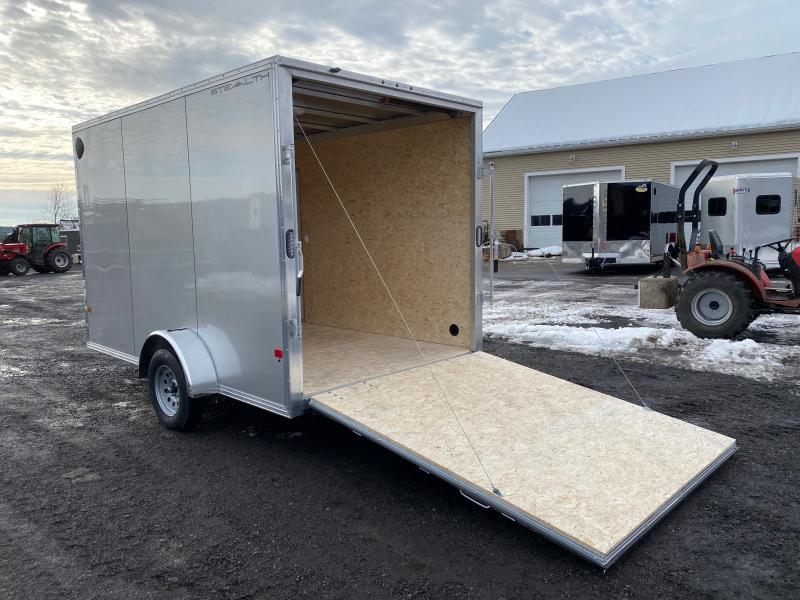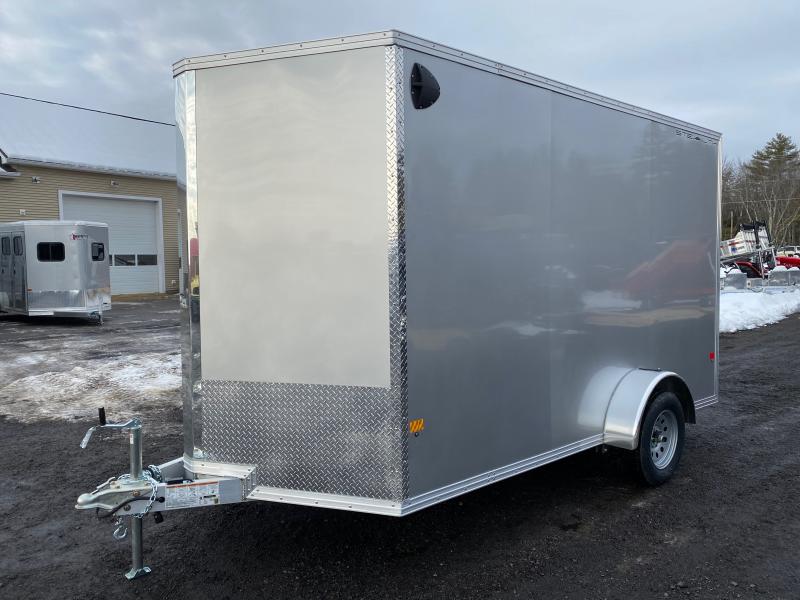



Overall Length: 15’6″ / 186 in (Breakdown: 12′ on the Box + 3’6″ on the Tongue) 20″ on the Vnose
Overall Width: 8’6″ / 102 in (Breakdown: 7′ on the Box + 9″ on each Fender)
Overall Height ( Diamond ): 8’4″ / 100 in (Breakdown: 7′ on the Box + 16″ from the ground to the box)
Overall Height (Anvil): 7’7″ / 91 in (Breakdown: 6’3″ on the Box + 16″ from the ground to the box)
Overall Length: 11’9″ Box (Breakdown: Subtract 3″ which counts for rear door & framing) plus 20″ on the Vnose
Overall Width: 6’8″ (Breakdown: Subtract 4″ (2″ on each side) which counts for plywood & framing)
Overall Height ( Diamond ): 7′
Overall Height (Anvil): 6’3″
Width: 74″ (Breakdown: Subtract 10″ (5 on each side) which counts for plywood & framing)
Height ( Diamond ): 78″ (Breakdown: Subtract 6″ which counts for plywood & framing)
Height (Anvil): 69″ (Breakdown: Subtract 6″ which counts for plywood & framing)
No it doesn’t but they’re available as a custom option.
Side Note: If the combined weight of the trailer and its load approaches or exceeds 3,000 pounds, many jurisdictions require brakes on the trailer. However, a 4x6 enclosed trailer, given its size, is unlikely to reach this weight limit when fully loaded, as they typically have a lower payload capacity.
Safety Considerations
Driving Conditions: If you plan to tow your trailer in hilly or mountainous areas, or if you’ll be driving in a lot of stop-and-go traffic, having electric brakes can significantly improve safety by reducing stopping distances and improving vehicle control.
Emergency Handling: Electric brakes can offer better control in emergency braking situations, reducing the risk of accidents.
Wear on Vehicle Brakes: Using a trailer with its own braking system can reduce wear and tear on your vehicle’s brakes, especially important for frequent towing or heavy loads.
4-way flat plug
5x4.5 (5 Lug)
6 Ply
Screws are 4′ apart instead of being every 2′
It’s an asphalt undercoating paint
We developed a section exclusively for Custom Options where we show sample photos and explain most popular options:
Click Here for More Information.
Here are examples of some of the most popular Custom Options:
– Blackout Package
– Electrical Package
– Insulation Package
– Rubber Flooring
– Etracks
– D-rings
– Windows
– Extended Tongue
– Extra Height
– Ladder Racks
– Finished Interior (Metal/Vinyl)
– Air Conditioner
– Lighting Options
– Axle Upgrades
– Concession Window
– Special Door Options
– Cabinets
– Barn Doors


A 7x12 single axle enclosed cargo trailer is a marvel of utility, a trusted partner for contractors, hobbyists, and businesses alike. It’s the go-to solution for hauling tools, equipment, and personal treasures. But what if this reliable workhorse has a hidden vulnerability? In the scorching heat of summer or the biting cold of winter, the thin metal and plywood shell of a standard trailer offers little defense against the elements, turning your secure space into a high-risk environment for your valuable cargo. The secret to transforming your trailer from a simple hauler into a protective vault isn’t a complex upgrade—it’s insulation. This often-overlooked feature is the single most important investment you can make to safeguard your assets, extend the life of your trailer, and unlock its true potential.
With the global Cargo Trailer Market projected to reach USD 12.3 Billion by 2033, understanding how to maximize the value and protective capabilities of these assets is more crucial than ever. This article will explore why insulation is a non-negotiable upgrade for any serious trailer owner, moving beyond basic hauling to deliver true peace of mind.

Introduction: Beyond Basic Hauling – The Hidden Potential of Your 7x12 Single Axle Trailer
The Versatility of the 7x12 Single Axle Enclosed Cargo Trailer
The 7x12 single axle enclosed cargo trailer strikes a perfect balance between capacity and maneuverability. Its size is ideal for hauling everything from a contractor’s full toolkit to a classic motorcycle or a small business’s entire inventory. The single axle design, often supported by dependable leaf springs, keeps the trailer nimble and easier to tow for a wide range of vehicles, all while offering a respectable payload capacity. Its enclosed cargo space provides security from theft and basic protection from rain and road debris, making it an indispensable tool for countless applications.
The Overlooked Vulnerability: Why Standard Trailers Fall Short
Despite its strengths, a standard enclosed trailer has a critical flaw: it’s an uninsulated metal box. The steel tube main frame rails, cross members, and galvalume roof are excellent for structural integrity but are highly conductive. This means the interior temperature can skyrocket to dangerous levels on a sunny day or plummet below freezing overnight. This thermal volatility, combined with the risk of condensation, poses a significant threat to a wide range of goods, from sensitive electronics and perishable items to wooden furniture and power tools.
Insulation: The Key to True Cargo Protection and Maximized Trailer Value
The Unseen Battle: Why Your Uninsulated 7x12 Trailer Puts Cargo at Risk
Inside an uninsulated cargo trailer, a constant battle is being waged against the environment. The exterior walls and roof absorb and radiate heat, creating an oven-like effect. This isn’t just uncomfortable; it’s destructive. The intense heat can warp plastics, degrade adhesives, drain batteries, and ruin temperature-sensitive materials like paint, caulk, or chemicals. The constant expansion and contraction of materials can weaken your trailer’s structure over time, affecting everything from the plywood walls to the roof members.
The Silent Threat of Extreme Temperature Swings
Whether you’re parked in a sun-drenched lot or a frigid landscape, your cargo is at the mercy of ambient temperatures. An uninsulated trailer offers virtually no buffer. In summer, interior temperatures can easily soar 30-50°F above the outside air, creating conditions that can damage electronics, spoil food products, or cause delicate items to fail. In winter, the cold penetrates just as easily, risking frozen liquids, cracked plastics, and damage to anything that cannot withstand freezing temperatures. This lack of climate stability limits what you can safely transport and for how long.
Condensation: A Hidden Enemy for Valuables and Trailer Integrity
When warm, moist air inside the trailer meets cold exterior walls, condensation forms. This “trailer sweat” is a silent destroyer. It can cause rust on tools and equipment, promote mold and mildew growth on surfaces, and lead to water damage that compromises the structural integrity of your plywood floors and walls. For sensitive cargo like documents, artwork, or electronics, moisture is a direct threat that can cause irreversible damage, short circuits, and corrosion.
Beyond Temperature: The Impact of Noise and Vibration on Sensitive Cargo
Insulation: The Game-Changing Upgrade for Your Single Axle Enclosed Trailer
Insulation is the definitive solution to these environmental threats. By adding a thermal barrier to the walls, ceiling, and potentially the floor, you fundamentally change the trailer’s interior environment. It slows the transfer of heat, keeping the inside cooler in the summer and warmer in the winter. This stabilization is the first and most critical step in protecting your enclosed cargo. The need for temperature-controlled transport is a rapidly growing sector, with the Refrigerated Transport Market size expected to reach $290.87 billion by 2032, underscoring the immense value placed on climate stability during transit.
Maintaining Optimal Climate Control for Diverse Cargo Needs
An insulated trailer creates a predictable, stable environment. This allows you to transport a much wider range of goods with confidence. For businesses, this means less product loss and greater reliability. For individuals, it ensures that valuable personal items arrive in the same condition they left. Paired with a roof vent for air circulation, an insulated trailer can maintain a consistent climate, providing a safe haven for your cargo regardless of the weather outside.
Eliminating Condensation and Preventing Moisture Damage to Goods and Trailer Components (e.g., Plywood Floors, Plywood Walls)
Properly installed insulation, especially closed-cell spray foam or rigid foam boards with sealed seams, acts as a vapor barrier. This prevents the warm interior air from contacting the cold outer skin of the trailer, effectively eliminating the conditions that cause condensation. By keeping the interior dry, you protect not only your cargo from mold and water damage but also the trailer itself. The plywood floors and plywood walls will last significantly longer without the threat of moisture-induced rot and decay.
Protecting Sensitive and Valuable Cargo from Environmental Stress
From antique furniture and musical instruments to advanced electronics and medical supplies, many items are highly susceptible to damage from temperature fluctuations and humidity. Insulation provides the controlled environment necessary to transport these items safely. It mitigates the risk of thermal shock—the damage caused by rapid temperature changes—and preserves the integrity and value of your most sensitive assets.
Enhanced Durability and Longevity for Your Enclosed Cargo Trailer
Insulation does more than just protect the cargo; it protects the trailer. By reducing the extreme temperature cycles, insulation minimizes the stress of thermal expansion and contraction on the trailer’s frame, seams, and fasteners. This leads to a longer service life with fewer repairs. Furthermore, some insulation types, like spray foam, can add structural rigidity to the walls and roof, further enhancing the trailer’s durability.
A Quieter, More Comfortable Transport Experience
Who Needs an Insulated Trailer? Real-World Applications for Your 7x12
The benefits of insulation extend across a vast array of uses, turning a standard 7x12 cargo trailer into a specialized tool.
Professional Trades and Contractors: Safeguarding Tools, Equipment, and Materials
For contractors, a trailer is a mobile workshop. Insulation protects expensive power tools from moisture damage and extreme temperatures that can drain batteries and degrade components. It also preserves the integrity of materials like adhesives, caulking, paint, and lumber, ensuring they are ready for use and preventing costly waste.
Outdoor Enthusiasts and Hobbyists: Preserving Gear and Recreational Vehicles
Whether hauling camping gear, hunting equipment, or a prized motorcycle, insulation provides crucial protection. It prevents mildew on tents and fabrics, protects sensitive electronics like GPS units, and keeps recreational vehicles in prime condition by shielding them from the damaging effects of heat and condensation.
Food and Beverage Transport: Maintaining Freshness and Temperature Consistency
For caterers, farmers market vendors, or beverage distributors, an insulated trailer is a game-changer. It helps maintain a consistent temperature, preserving the freshness and safety of perishable goods. While not a substitute for active refrigeration, it dramatically reduces the thermal load, making passive cooling with ice packs or other methods far more effective and longer-lasting.
Moving and Storage: Protecting Furniture, Documents, and Artwork
When moving or storing household goods, an insulated trailer provides invaluable protection. It safeguards wooden furniture from warping due to humidity changes, prevents mildew on upholstery, and protects sensitive items like artwork, photographs, and important documents from moisture and temperature damage.
Specialized Cargo: Electronics, Musical Instruments, Antiques, and Temperature-Sensitive Goods
Demystifying Insulation Types for Your Cargo Trailer
Choosing the right insulation is key to maximizing its benefits. There are several popular options, each with its own advantages.
Rigid Foam Boards: Easy to Install, Excellent R-Value, and Structural Rigidity
Expanded Polystyrene (EPS) or Extruded Polystyrene (XPS) boards are a popular DIY-friendly choice. They are lightweight, easy to cut and fit between the trailer’s wall studs and roof members, and offer a good R-value (a measure of thermal resistance) for their thickness. They are also moisture-resistant, which is crucial in a trailer environment.
Spray Foam Insulation: Superior Sealing, High R-Value, and Condensation Prevention
Closed-cell spray foam offers the highest performance. When professionally applied, it expands to fill every crack and crevice, creating a seamless air and vapor barrier. This makes it exceptionally effective at preventing condensation. It also has a very high R-value per inch and adds significant structural rigidity to the trailer’s walls.
Batt Insulation: A Cost-Effective Option with Essential Vapor Barrier Considerations
Fiberglass or mineral wool batts are a cost-effective option, similar to what is used in homes. However, it’s critical to pair them with a meticulously installed vapor barrier on the warm (interior) side to prevent moisture from getting trapped in the fibers, which would render the insulation useless and promote mold.
Reflective Insulation: Tackling Radiant Heat Gain
Also known as bubble wrap insulation, this type works by reflecting radiant heat. It is most effective in hot, sunny climates and is often used in conjunction with other insulation types, particularly on the roof, to block solar heat gain before it can penetrate the trailer.
Choosing the Right Thickness and R-Value: Maximizing Protection within Your Trailer’s Interior Height
The Practicalities: Installing Insulation in Your 7x12 Single Axle Trailer
When considering insulation, it’s vital to assess how it integrates with your trailer’s other features. The goal is to enhance protection without compromising functionality. The thickness of your chosen insulation will slightly reduce the final interior height, so factor this in when planning for tall cargo. A quality trailer will come with essential features like a sturdy ramp door and a convenient side door for easy access. Modern LED lights are a must, as they produce minimal heat compared to older incandescent bulbs, complementing your climate control efforts.
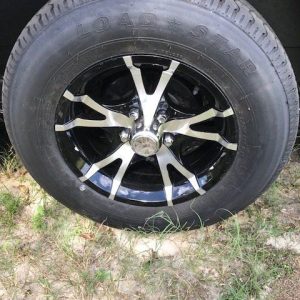
On the road, safety and performance are paramount. Radial tires provide a smoother ride and better handling than bias-ply alternatives, reducing vibrations that can harm sensitive cargo. For even greater protection, upgrading from standard leaf springs to torsion axles will provide a significantly smoother, quieter ride, working in tandem with insulation to dampen shocks. Key safety considerations like reliable electric brakes, an emergency braking system, and properly rated safety chains are non-negotiable. When buying a brand new trailer, you have the advantage of specifying these features and ensuring insulation is installed correctly from the start. Finally, a roof vent is a crucial partner to insulation, allowing you to manage air quality and vent any excess moisture, creating a truly balanced and protected environment for your enclosed cargo.