

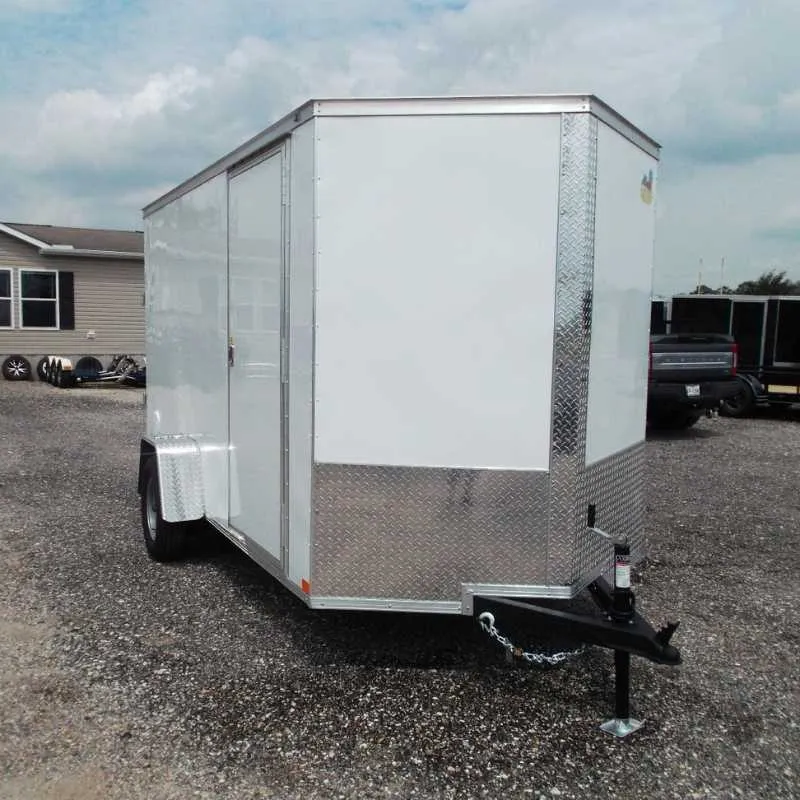
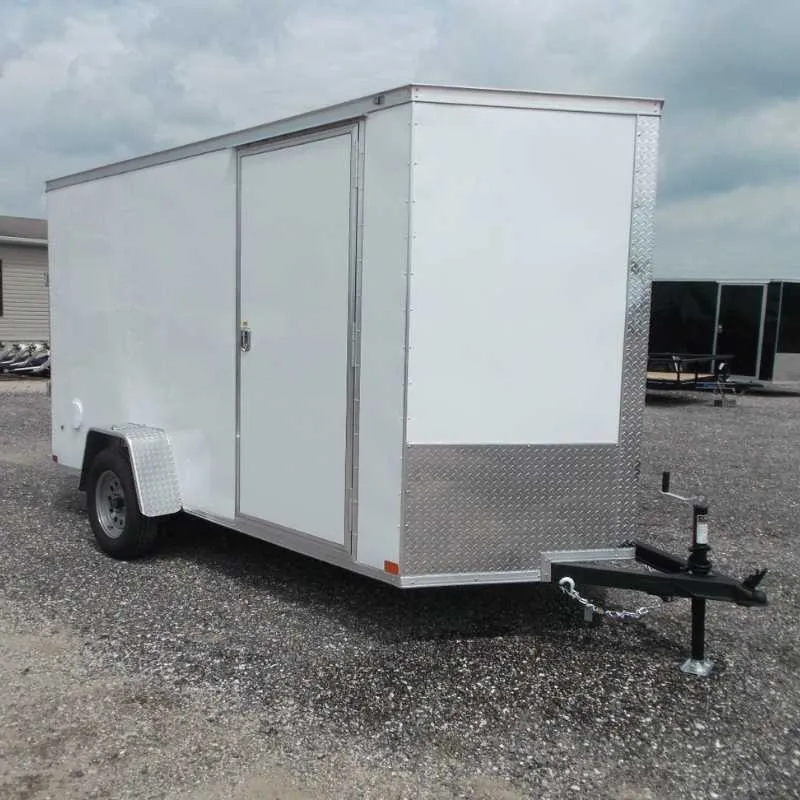
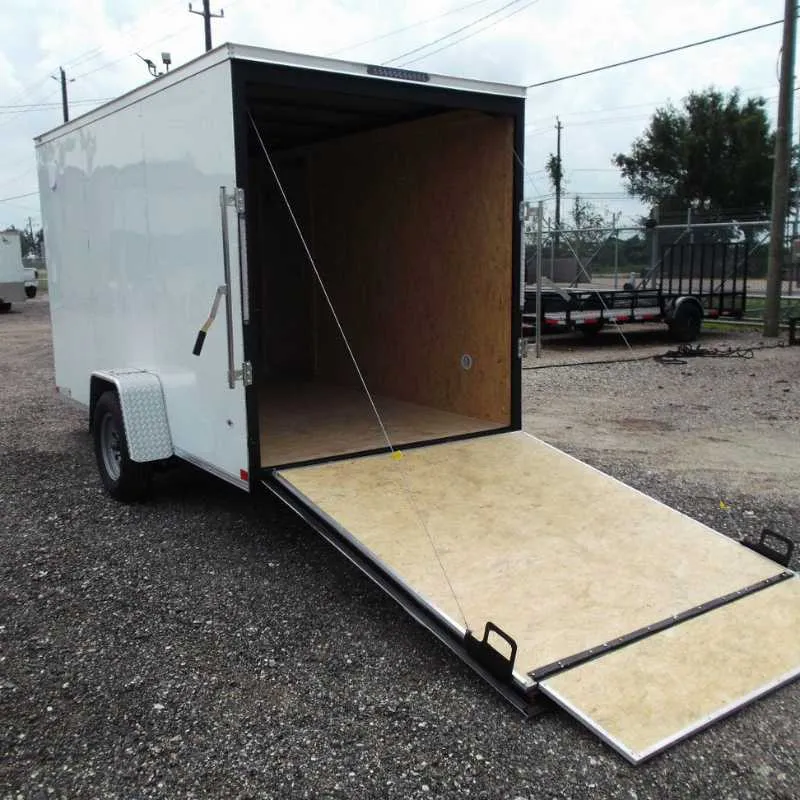
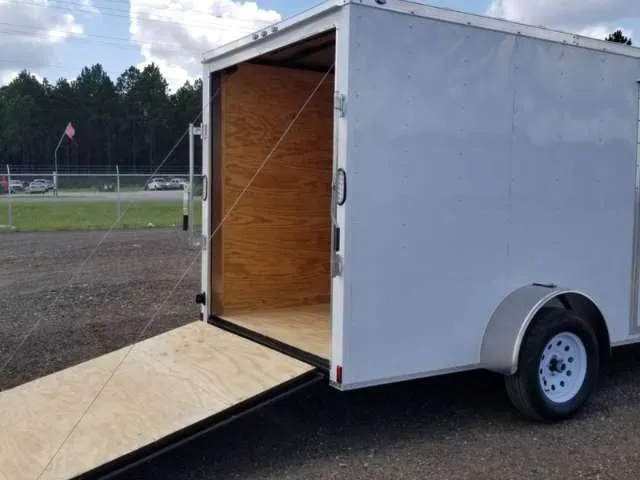
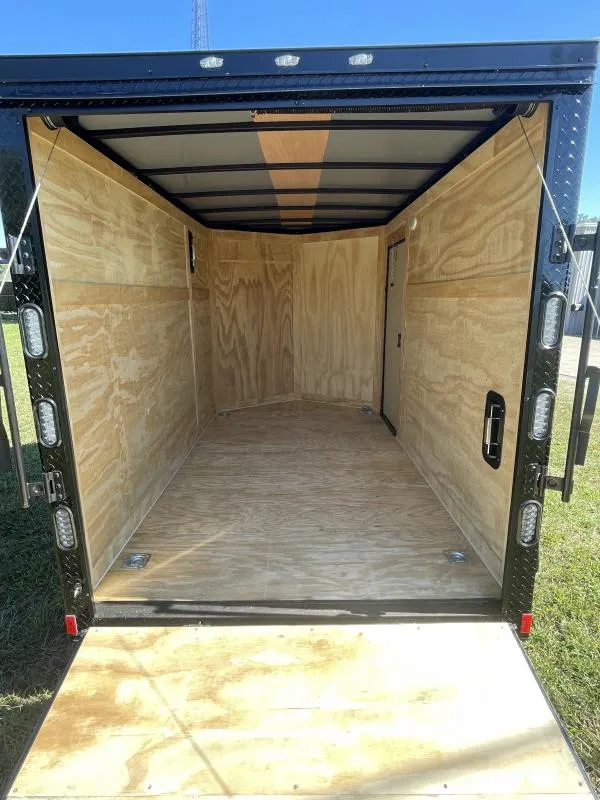
The 6x12 single axle trailer is a cornerstone of versatility, a perfect blend of manageable size and substantial capacity. Whether you’re a contractor hauling tools, a hobbyist transporting gear, or an entrepreneur launching a mobile business, this enclosed trailer format offers a secure, mobile space. However, a standard metal box is vulnerable to the elements, with scorching heat and freezing cold threatening your valuable cargo. This is where the game changes. By introducing superior insulation, you transform a simple cargo trailer into a high-performance, climate-controlled asset, unlocking its full potential for a vast range of applications.
Introduction: Maximize Your 6x12 Single Axle Trailer’s Potential
Mastering your 6x12 single axle trailer means moving beyond basic transport. It involves understanding how to optimize its structure and features to protect what’s inside, enhance its durability, and expand its utility. Insulation is the central element in this mastery, providing a buffer against the outside world that elevates the trailer from a mere container to a controlled environment. This guide will walk you through every component, from the frame to the roof vents, showing you how to make informed decisions that result in a truly superior insulated trailer.
The Impressive Capabilities of the 6x12 Enclosed Trailer
The 6x12 footprint is the sweet spot for many users. It’s large enough to accommodate significant loads—from landscaping equipment to mobile workshop setups—yet nimble enough to be towed by a wide range of vehicles without excessive difficulty. A single axle design keeps it lightweight and maneuverable in tight spaces. As the global light car trailer market is projected to grow, the demand for versatile and capable models like the 6x12 enclosed trailer will only increase, making it a sound investment for both personal and professional use.
Why “Superior Insulation” is Your Key Advantage
Superior insulation is more than just a layer of foam; it’s a strategic advantage. It creates a thermal barrier that dramatically slows heat transfer. In the summer, it keeps the blistering sun from turning your trailer into an oven. In the winter, it prevents frigid temperatures from damaging sensitive items like electronics, paints, or liquids. This protection translates directly into peace of mind and preservation of your assets, making it an essential feature, not an optional luxury.
What This Guide Offers: Optimizing Your Insulated Investment
This guide is designed to be your definitive resource for understanding, selecting, and maximizing an insulated 6x12 single axle cargo trailer. We will deconstruct the trailer, component by component, explaining how each part contributes to an effective, durable, and efficient insulated system.
The Hidden Benefit: Why Superior Insulation is Crucial for Your 6x12 Trailer
The most obvious benefit of insulation is temperature control, but its value runs much deeper. It protects your cargo from thermal shock, which can cause warping, cracking, or malfunction in sensitive materials and equipment. It also adds a layer of structural rigidity and sound dampening, creating a more stable and pleasant towing experience. The growing demand in the global refrigerated trailer market, valued at USD 7.3 billion in 2024, underscores the increasing recognition of temperature-controlled transport across all scales.
More Than Just Protection: Defining “Superior Insulation”
Superior insulation isn’t just about having “insulated walls.” It involves a combination of high-quality materials (like rigid foam board or spray foam), professional installation to eliminate gaps and thermal bridging, and a holistic design that considers the entire trailer envelope—walls, ceiling, floor, and even doors. The effectiveness is measured in R-value, with a higher number indicating better thermal resistance. A well-built trailer will have consistent R-value across all surfaces, ensuring a truly sealed environment.
Achieving Perfect Temperature: Keeping it Comfortably Cool or Warm Inside
An insulated trailer gives you control. It maintains a more stable internal temperature, regardless of external conditions. This is critical for transporting temperature-sensitive goods like food, pharmaceuticals, or artwork. For those using the trailer as a mobile workspace or camper conversion, it means a comfortable environment year-round, reducing the energy needed for auxiliary heating or cooling units.
Quieting the Journey: Substantial Noise Reduction Benefits
A significant and often overlooked benefit of insulation is its acoustic-dampening property. The materials used to block thermal energy also absorb sound waves. This dramatically reduces road noise, the rattle of cargo, and external sounds, creating a much quieter interior. This is a massive advantage for mobile offices, recording spaces, or simply for a more peaceful towing experience without the constant clatter of an uninsulated metal box.
Battling the Elements: Preventing Condensation and Moisture Issues
When warm, moist air meets a cold surface, condensation forms. In an uninsulated metal trailer, this process is rampant, leading to rust, mold, mildew, and water damage to both the trailer and its contents. Insulation keeps the interior wall surfaces closer to the interior air temperature, drastically reducing the potential for condensation to form. This moisture control is vital for protecting sensitive electronics, documents, and tools from long-term damage.
Boosting Efficiency: Reducing Energy Use for Climate Control
If you plan to heat or cool your trailer, insulation is non-negotiable. It acts like a thermos, minimizing the energy required to maintain a desired temperature. An air conditioner or heater in an uninsulated trailer has to run constantly, fighting a losing battle against heat transfer. In an insulated trailer, these units can cycle on and off, saving fuel or electricity, reducing wear and tear on the equipment, and providing a more stable and efficient climate control solution.
Building a Solid Insulated Foundation: Components of a Durable 6x12 Single Axle Trailer
A great insulated trailer starts with a great frame. The underlying structure must not only support the weight of the cargo but also provide a solid, stable cavity for the insulation to be installed effectively. Weak framing can flex and twist, creating gaps in the insulation and compromising its performance over time.
Structural Strength: The Core of Your Insulated Trailer
The foundation of a durable trailer is its frame. Look for features like HD FRAMING, which indicates the use of thicker, stronger steel C-channel or tube framing. The quality of the welds and the application of a protective coating are also critical for longevity. The frame supports the entire structure, and a robust design ensures the trailer can handle dynamic loads during transit without compromising the integrity of the insulated walls and ceiling.
Standard Size: The 6x12 Footprint and Interior Height Considerations
The 6x12 size is versatile, but the interior height is a crucial specification. A standard height of around 6’3″ is common, but taller options (e.g., 7′) are often available as custom options. When considering insulation, remember that it will occupy some space. Opting for a taller trailer ensures you maintain ample headroom and vertical storage capacity after the walls and ceiling are finished, preventing a cramped and inefficient space.
Material Choices: How Trailer Construction Enhances Insulation Performance
The materials used in your trailer’s construction directly impact its durability, weight, and ability to support an effective insulation system. The choice of wall posts, floor materials, and exterior skin all play a role in the final performance of your insulated space.
Inside Your Insulated Space: Optimizing Interior Features and Comfort
The structure that holds the insulation is as important as the insulation itself. Floor & Wall Studs made from steel provide superior strength and consistency. Look for a reputable trailer dealer, such as Trailer Mart or a regional expert like Colorado Trailers, that specifies steel wall post construction. The spacing of these studs is also key; an Interior 16′ on-center spacing is a common standard that provides excellent support for both the interior wall panels and the insulation between them.
Interior Climate Control: Using Insulation for Best Results
With a solid, insulated shell, your interior climate control systems become dramatically more effective. Whether you’re installing a rooftop AC unit, a small heater, or just relying on passive temperature maintenance, the insulation does the heavy lifting. It holds the conditioned air inside and keeps the external temperatures out, creating a stable and comfortable environment with minimal energy expenditure.
Lighting and Conveniences: Smart Interior Design
Good lighting is essential for a functional trailer interior. An interior dome light is a standard feature, but consider upgrading to multiple LED lights for better visibility and lower energy consumption. When installing lighting and other conveniences like outlets or shelving, it’s crucial to plan ahead to ensure they are properly sealed to prevent compromising the insulation envelope.
Custom Interior Finishes: Improving Insulation and Longevity
The final interior wall surface does more than just provide a clean look; it protects the insulation and adds to the trailer’s durability. Plywood or other durable paneling materials are common choices. Sealing the seams and painting the surface can further enhance moisture resistance and make the interior easier to clean, contributing to the overall longevity of your insulated trailer.
Exterior Elements: Supporting Insulation and Overall Trailer Performance
The trailer’s exterior is its first line of defense. The design, materials, and features all contribute to its performance, durability, and even its thermal efficiency. From aerodynamic shapes to smart ventilation, every exterior element matters.
Smart Ventilation: Balancing Airflow and Insulation
While sealing a trailer is key for insulation, proper ventilation is crucial to prevent moisture buildup and stale air, especially if you’re working inside or hauling items that off-gas. Options include simple Plastic Side vents or more durable Aluminum Side Vents. These should be strategically placed to create cross-flow, allowing you to air out the trailer without significantly compromising its insulated properties. A well-designed system balances a tight seal with controlled airflow.
Trailer Exterior Design: Materials, Colors, and Their Effects
The exterior skin, often aluminum, protects the internal structure and insulation. The color can also have a minor impact on heat absorption; a lighter color will reflect more solar radiation than a darker one. Many trailers, including a Custom Cargo Craft Offroad 6x12 Cargo Trailer, feature a Slope wedge or V-nose design. This not only improves aerodynamics for better fuel efficiency but also adds extra interior space and structural rigidity to the front of the trailer.
Essential Exterior Features: Trailer Lights for Safety and Road Rules
Proper lighting is a critical safety component. Modern trailers use bright, energy-efficient LED trailer lights for brake lights, turn signals, and clearance markers. Ensuring these are fully functional is not just a matter of compliance with road rules; it’s essential for vehicle control and preventing accidents by making your trailer clearly visible to other drivers.
Key Access Points: Designing Doors, Windows, and Seals for Optimal Insulation
Doors and windows are the biggest potential points of failure in an insulated envelope. Heat and cold can easily transfer through poorly sealed or uninsulated access points, undoing the benefits of your insulated walls. Proper selection and sealing are paramount.
The Value of a Well-Sealed Side Door
A side door provides convenient access without having to open the large rear door. For an insulated trailer, this door must be of high quality with robust weather stripping and a secure latching mechanism to create an airtight seal. An RV-style door with a built-in latch and lock is a popular and effective upgrade over a simple bar-lock door for maintaining thermal integrity.
Ramp Doors and Rear Access: Minimizing Heat Loss and Gain
The large rear ramp or barn doors present the biggest challenge for insulation. Ensure that these doors are also insulated and feature heavy-duty gasket seals around the entire perimeter. A spring-assisted ramp door makes loading heavy items easier, but check that its sealing mechanism is robust enough to prevent significant air leakage when closed.
Windows (Optional): Choosing Insulated Options for Peak Efficiency
If you add windows to your Custom 6x12 Single Axle Cargo Trailer, opt for double-pane units. A single pane of glass is a major source of thermal transfer. A double-pane window with an air or gas-filled gap between the panes provides significantly better insulation, allowing for natural light without sacrificing thermal efficiency.
Addressing Thermal Bridging: Smart Solutions for Openings
Thermal bridging occurs when heat travels through conductive materials, like the steel frame studs, bypassing the insulation. This can create cold spots and reduce overall efficiency. High-quality trailer manufacturers like Seed Cargo or Steel Pines Cargo address this by using thermal breaks or ensuring the insulation is installed tightly against the wall studs to minimize direct contact between the interior and exterior skins, ensuring a consistently performing insulated space.

Conclusion
Mastering a 6x12 single axle trailer is about making intelligent choices that elevate it from a basic hauler to a high-performance tool. Incredible insulation is the cornerstone of this transformation. By focusing on a foundation of HD FRAMING, well-spaced steel wall post construction, and a comprehensive insulation strategy that addresses walls, ceilings, floors, and all access points, you create a protected, efficient, and quiet environment.
When selecting your trailer, pay close attention to the details: the quality of the seals on the side door, the type of radial tires and their tire ply rating for safety, and the inclusion of smart features like Aluminum Side Vents and bright LED trailer lights. Whether you’re purchasing from a national trailer dealer or a local specialist, armed with this knowledge, you can specify a Custom 6x12 Single Axle Cargo Trailer that perfectly meets your needs. Investing in superior insulation is an investment in the protection of your cargo, the longevity of your trailer, and the overall efficiency of your operations. It’s the definitive step in truly mastering your mobile asset.