


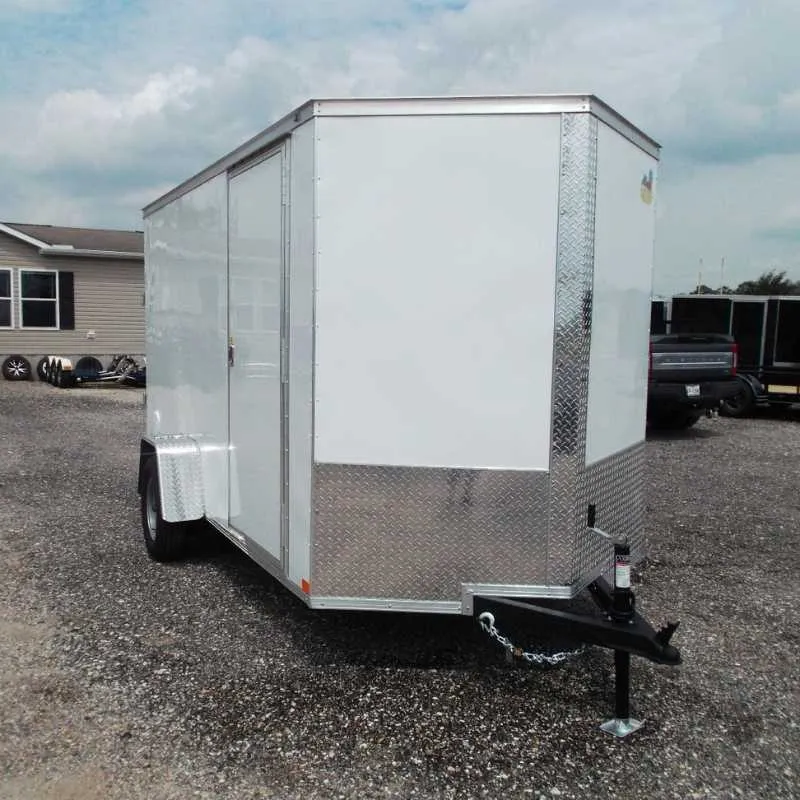
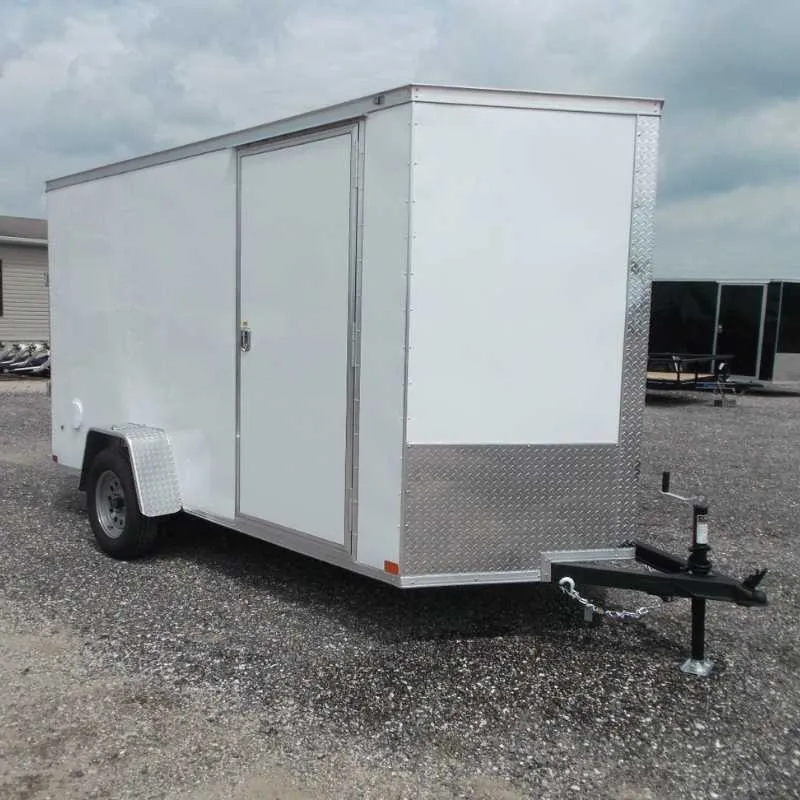
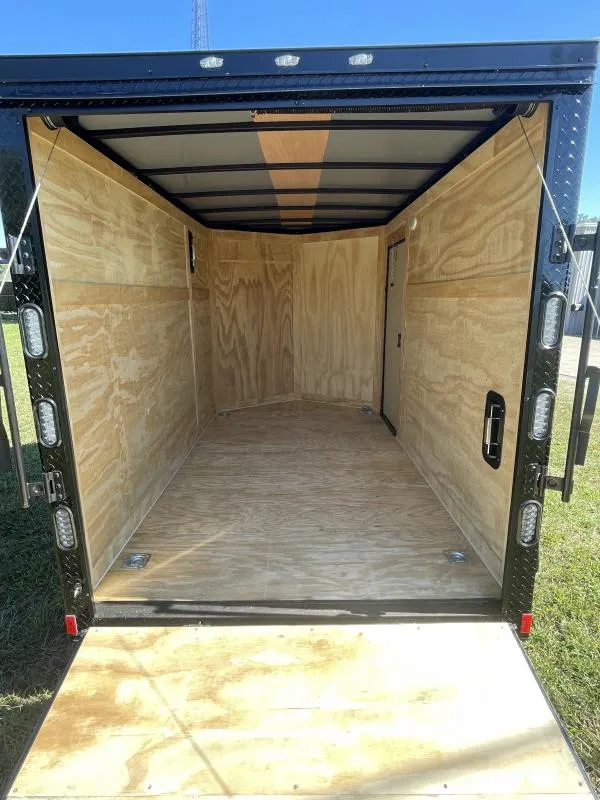
Introduction: Why the 6x12 Single Axle Trailer with E-Track is Your Ultimate Hauling Partner
Choosing the right enclosed trailer is a critical decision for business owners, homeowners, and adventurers alike. Amidst a sea of options, the 6x12 single axle cargo trailer with an E-Track system consistently emerges as a top contender. It occupies a unique “sweet spot,” offering substantial capacity without the complexities of a larger, tandem axle model. This trailer isn’t just a box on wheels; it’s a versatile platform for securing and transporting your most valuable equipment, from landscaping tools to priceless motorcycles. With the overall trailer market projected to grow significantly, reaching $64.61 billion in 2025, understanding how to select the right model has never been more important.
The Ideal Hauling Solution for Diverse Needs
The 6x12 single axle configuration is the workhorse of the light-duty trailer world. It’s large enough to handle serious loads like ATVs, bulky furniture, or a contractor’s full toolkit, yet nimble enough to be towed by most standard trucks and larger SUVs. The addition of an E-Track system transforms it from a simple cargo hauler into a highly adaptable and secure transport solution, making it the ultimate partner for a wide array of hauling tasks.
What to Expect from This Comprehensive Buyer’s Guide
This guide moves beyond simple feature lists. We will dissect the anatomy of a high-quality 6x12 enclosed trailer, from its foundational frame to its weather-resistant roof. We will provide a masterclass on leveraging E-Track for ultimate cargo security, explore essential components like axles and brakes, and delve into crucial customization options such as doors and interior height. By the end, you will have the knowledge to confidently select a trailer that not only meets your needs but helps you master every haul.
The Foundation: Understanding the 6x12 Single Axle Enclosed Trailer
Before diving into the finer details, it’s essential to grasp why this specific configuration is so popular and effective. The combination of its footprint, axle design, and wide-ranging applications makes it a strategic choice for many users.
Why the 6x12 Footprint? Optimizing Space and Maneuverability
The 6x12 dimensions provide approximately 72 square feet of floor space—a generous area for most personal and light commercial needs. This size is ideal for hauling one or two motorcycles, a single UTV or ATV, or the equipment for a small business. Critically, it remains maneuverable. A 6-foot width is easy to see around from a standard tow vehicle, and the 12-foot length is manageable when navigating city streets, tight job sites, or crowded storage areas.
The Single Axle Advantage: Benefits for Fuel Efficiency, Cost, and Handling
A single axle trailer has distinct advantages. It is lighter than its tandem axle counterparts, which can translate to better fuel efficiency for your tow vehicle. The simpler design means a lower initial purchase price and reduced maintenance costs over time, with only two tires and one set of bearings to service. Furthermore, single axle trailers are easier to pivot and back into tight spaces by hand when unhitched.
Common Applications: Who Benefits Most from This Trailer Size?
The versatility of the 6x12 single axle trailer makes it a favorite among a diverse group of users. Landscapers and contractors rely on it to securely transport mowers, tools, and supplies. Powersports enthusiasts use it to haul ATVs and dirt bikes to the trail. Small business owners, from mobile detailers to photographers, convert them into mobile workshops. Homeowners find them invaluable for moving, completing large DIY projects, or simply decluttering the garage.
Built to Last: Anatomy of a Durable 6x12 Enclosed Trailer
A trailer’s longevity and performance depend entirely on the quality of its construction. Understanding the key structural components will help you identify a well-built trailer that can withstand years of demanding use.
The Backbone: Frame and Structural Integrity
The frame is the skeleton of your cargo trailer. Most frames are constructed from steel tubing for its strength and cost-effectiveness. Pay close attention to the on-center (O.C.) spacing of the frame members. A 16-inch O.C. spacing for floor crossmembers and wall studs provides significantly more rigidity and durability than a wider 24-inch spacing, especially when hauling heavy equipment.
Exterior Resilience: Protecting Your Cargo from the Elements
The exterior skin, typically made of aluminum, is your first line of defense against weather. The thickness of the aluminum sheeting (measured in gauge) matters; a .030 or .040 gauge offers better resistance to dents and “oil canning” (waviness) than a standard .024 gauge. A one-piece aluminum roof is a critical feature, as it eliminates seams and drastically reduces the potential for leaks, protecting both your cargo and the trailer’s interior structure.
Interior Durability: Floors and Walls Designed for Heavy Use
The interior must be robust enough to handle the cargo you plan to haul. The industry standard for a durable floor is 3/4-inch engineered wood, such as plywood or a specialized product like DryMax, which offers enhanced moisture resistance. For the walls, 3/8-inch plywood provides a solid surface for mounting shelves and securing items, far superior to thinner, less resilient wallboard.
Quality Indicators: What to Look for in Construction (e.g., Xtreme, Rock Solid build)
When evaluating a trailer, look for signs of quality craftsmanship. Clean welds, sealed seams, and protected wiring are hallmarks of a reputable manufacturer. Brands known for robust builds often use heavier-gauge steel for the main frame rails, incorporate gussets at stress points, and feature undercoating on the frame to prevent rust. An extended manufacturer’s warranty is also a strong indicator of the builder’s confidence in their product.
The Game Changer: Mastering Your E-Track System for Ultimate Cargo Security
While the trailer’s structure is foundational, the E-Track system is what unlocks its full potential, transforming it into a secure and highly customizable hauling machine. The growing importance of such systems is reflected in market trends, with the E-Track Cargo Systems market projected to reach $2.65 billion by 2033.
What is E-Track and Its Unmatched Versatility?
E-Track is a system of heavy-gauge steel rails with multiple anchor points, designed to be mounted on the floor or walls of a trailer. Its versatility comes from the vast ecosystem of accessories—like ratchet straps, D-rings, and specialized hooks—that click securely into any of the track’s slots. This allows you to create custom tie-down points exactly where you need them for any type of cargo.
Strategic E-Track Placement: Designing Your Custom Security Network
The placement of your E-Track is crucial. For securing vehicles like ATVs or motorcycles, two parallel rows on the floor are ideal. For general cargo, equipment, and tools, installing horizontal E-Track on the walls at various heights (e.g., 24 inches and 48 inches from the floor) provides maximum flexibility for strapping items of different sizes and preventing them from shifting.
Maximizing Your E-Track System with Accessories
The true power of E-Track lies in its accessories. E-Track ratchet straps are the most common, providing immense holding strength. Spring E-fittings with D-rings create versatile anchor points for traditional ropes or bungee cords. J-hooks are perfect for hanging tools, extension cords, or gear. There are even specialized wheel chocks and tire bonnets that integrate directly with the E-Track system for securing vehicles without compressing their suspension.
Installation Best Practices and Safety Considerations
Proper installation is non-negotiable for safety. E-Track must be fastened directly to the trailer’s frame members (studs or crossmembers), not just the plywood walls or floor. Using high-strength, properly sized screws or bolts ensures the track can handle its rated load capacity. Always inspect your tracks and fittings for damage or wear before each use to prevent catastrophic failure on the road.
Long-Term Value: Maintenance and Care for Your E-Track System
Maintaining your E-Track is simple but important. Regularly clear the slots of debris to ensure accessories can lock in properly. Periodically check that all mounting screws remain tight. A light spray of dry lubricant can help keep the spring-loaded fittings on your accessories operating smoothly. Proper care ensures your system remains reliable and safe for years.
Essential Components for a Smooth and Safe Towing Experience
Beyond the main structure, several key mechanical components are vital for safe and reliable towing. Understanding these parts will help you assess a trailer’s overall quality and ensure it’s properly equipped for your needs.
Axle Performance: Selecting the Right Support System
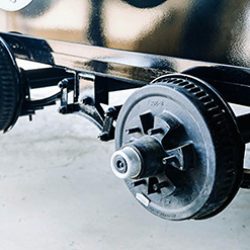
The single axle on a 6x12 enclosed trailer is typically rated for 3,500 lbs Gross Vehicle Weight Rating (GVWR). This rating defines the maximum total weight of the trailer and its cargo. Most standard axles use a leaf spring suspension, which is durable and cost-effective. An EZ-Lube hub design is a highly desirable feature, as it simplifies bearing maintenance and extends the life of your axle.
Braking System: Control and Safety on the Road
Trailer brakes are a critical safety feature, and they are often legally required above a certain weight threshold (which varies by state). Electric brakes, synchronized with your tow vehicle’s braking system via a controller, provide smooth and proportional stopping power. The importance of reliable braking cannot be overstated, especially when considering that 11% of all motor vehicle crash deaths in 2023 involved large trucks and, by extension, towed vehicles.
Tires and Wheels: Critical Contact Points with the Road
A trailer’s tires are just as important as those on your tow vehicle. Look for “ST” (Special Trailer) tires, which are designed with stiffer sidewalls to handle heavy loads and reduce sway. Ensure they are properly inflated to the pressure indicated on the tire sidewall for optimal performance and safety. Regularly check for wear and replace them as needed.
Tongue and Coupler: The Vital Connection to Your Tow Vehicle
The tongue is the part of the frame that extends forward to connect to your vehicle. A strong, A-frame tongue design offers superior stability. The coupler must match the size of your vehicle’s hitch ball (typically 2 inches for this trailer class). A top-quality coupler will latch securely and should be paired with safety chains as a mandatory backup connection.
Understanding Load Limits: GVWR and Payload Capacity
It is crucial to understand two key figures: GVWR (Gross Vehicle Weight Rating) and payload capacity. GVWR is the maximum allowed weight of the trailer plus its cargo. Payload capacity is the GVWR minus the trailer’s empty weight (curb weight). Never exceed the payload capacity, as overloading can lead to axle failure, tire blowouts, and dangerous handling.
Accessibility and Interior Functionality: Tailoring Your Trailer to Your Needs
How you get your cargo in and out of the trailer and how you use the space inside are just as important as how it’s built. Thoughtful choices in doors, height, and lighting can dramatically improve your hauling experience.
Doors: Entry, Exit, and Loading Solutions
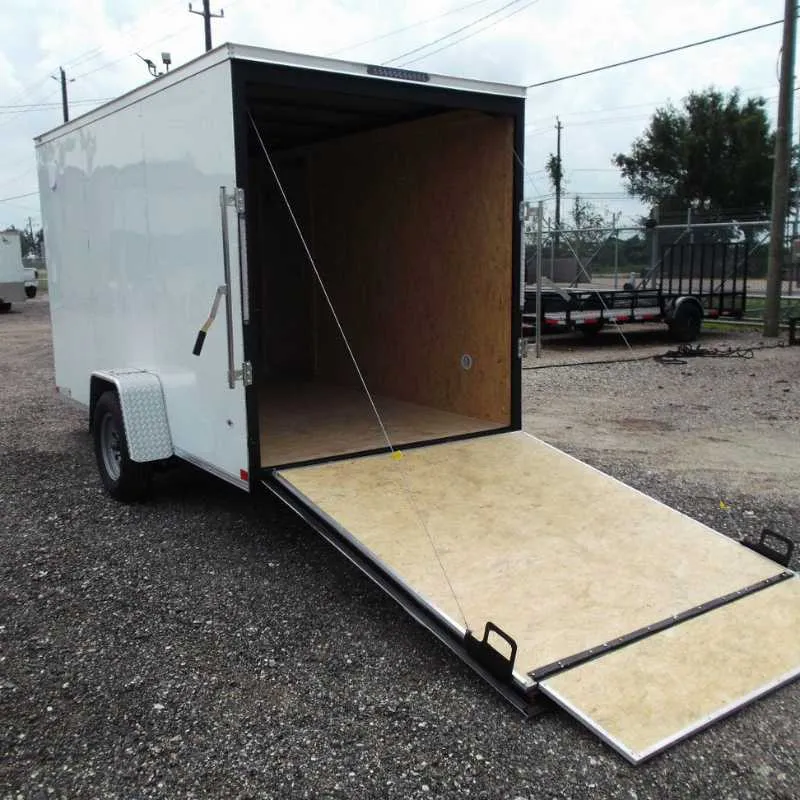
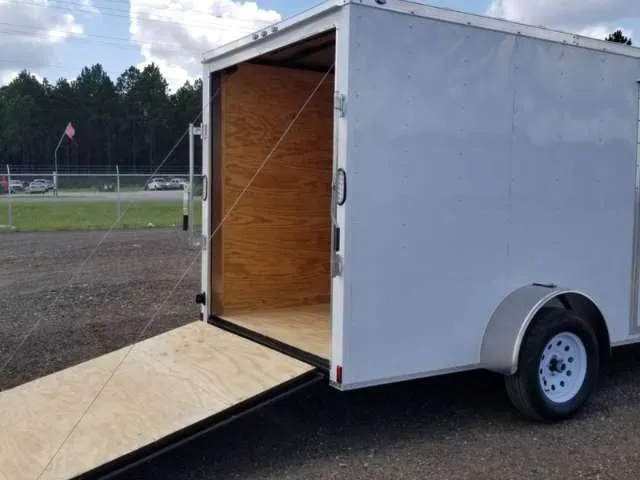
You have two primary options for the rear doors: double barn doors or a spring-assisted ramp door. A ramp door is essential for anyone loading wheeled equipment like motorcycles, ATVs, or lawnmowers. Look for a ramp with a high weight capacity and a transition flap for a smooth entry. A side door (typically 32 or 36 inches wide) is invaluable for quick access to your cargo without having to open the entire rear.
Interior Height: Ensuring Ample Space for Your Cargo
Standard interior height for a 6x12 trailer is often around 6 feet 3 inches (75 inches). This is adequate for most cargo, but taller options (e.g., 6 feet 6 inches or 7 feet) are available. Extra height is a game-changer if you plan to haul a UTV with a roll cage, want to stand up fully inside to work, or need to stack items. Carefully measure your tallest piece of equipment before you buy.
Lighting and Ventilation: Enhancing Interior Usability
Good interior lighting is a must. Modern trailers use efficient and bright LED dome lights, which are far superior to older incandescent bulbs. Proper ventilation, such as a side vent or roof vent, is also important. It helps prevent heat and fume buildup, which is crucial if you’re hauling anything with a gas engine or working inside the trailer.
Interior Customization: Making the Space Work for You
An enclosed trailer is a blank canvas. Beyond the E-Track system, you can add shelving, cabinets, or workbenches to create a mobile workshop. White vinyl or aluminum walls can brighten the interior and make it easier to clean. For those working in extreme climates, insulated walls and ceilings can provide a more comfortable environment.
Conclusion
The 6x12 single axle enclosed trailer equipped with an E-Track system represents the pinnacle of versatility, efficiency, and security for a wide range of hauling needs. By focusing on the fundamentals—a strong steel frame, a seamless aluminum roof, a durable floor, and quality components like a 3,500 lb axle with brakes—you lay the groundwork for a long-lasting investment. The true mastery of your haul, however, comes from strategically implementing an E-Track system, allowing you to secure any type of equipment with confidence and precision.
When you’re ready to make a purchase, remember to assess your specific requirements for interior height and door configuration, such as opting for a ramp door for wheeled equipment. Don’t hesitate to ask a dealer for a detailed quote that specifies construction details like frame spacing and material gauges. By applying the knowledge from this guide, you can confidently navigate the market and select a cargo trailer that will serve as a reliable and indispensable partner for years to come.