



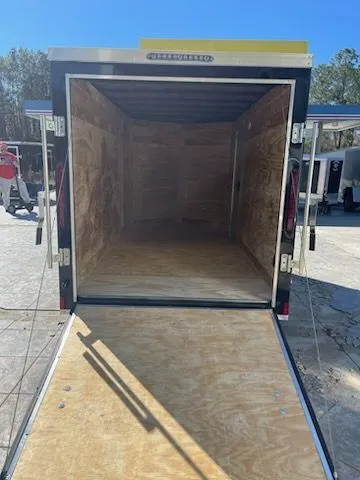
Finding the right enclosed cargo trailer involves more than just picking a size; it’s about investing in a solution that protects your assets, simplifies your work, and offers unmatched versatility. For many, the 5x12 enclosed trailer hits the perfect balance of maneuverability and capacity. But when you add professional-grade insulation to the mix, you elevate it from a simple hauling box to a specialized, climate-controlled environment on wheels. This guide is designed to navigate you through every crucial consideration, ensuring you select an insulated 5x12 trailer that perfectly aligns with your needs, from its structural frame to its final finishes.

Introduction: The Smart Choice for Specialized Hauling
Introduction: The Smart Choice for Your Specialized Hauling Needs
Choosing an enclosed cargo trailer is a significant decision for any business owner, hobbyist, or tradesperson. It represents an investment in efficiency and protection. An insulated 5x12 model stands out as a particularly intelligent choice, offering a solution that addresses the common challenges of temperature sensitivity, moisture damage, and noise. It’s a specialized tool for those who understand that the condition of their cargo upon arrival is just as important as getting it there.
Why a 5x12 Trailer? It’s all about finding that sweet spot between a compact size and genuinely practical capacity.
The 5x12 footprint is a masterclass in utility. It’s compact enough to be towed by a wide range of vehicles and navigate tight job sites or storage areas with ease. Yet, its 12-foot length provides ample room for tools, equipment, inventory, or recreational gear. This size avoids the bulk and towing demands of larger car haulers while offering substantially more space than smaller utility trailers, making it the ideal intersection of convenience and capability.
Why Choose an Insulated 5x12 Trailer? Unlocking Key Benefits
The Game-Changing Advantage of Insulation in an Enclosed Trailer.
Insulation transforms an enclosed trailer from a mere container into a protective shield. Its primary role is to create a thermal barrier, drastically slowing the transfer of heat. This means the interior stays cooler in the summer and warmer in the winter, creating a stable environment for whatever you’re hauling or working on inside. This fundamental advantage unlocks a cascade of other benefits that enhance the trailer’s value and utility.
Noise Reduction: A Quieter Haul and Work Environment.
One of the often-overlooked benefits of insulation is its acoustic-dampening properties. The materials used to block thermal energy also absorb sound waves. This results in a significantly quieter ride, reducing the rattle and road noise that can be fatiguing on long trips. If you plan to use the trailer as a mobile workshop, this noise reduction creates a much more pleasant and focused work environment.
Why Go for an Insulated 5x12 Trailer? Let’s Explore the Key Benefits:
The decision to opt for an insulated model is a strategic one that pays dividends in protection, comfort, and versatility. It’s an upgrade that prepares your trailer for a wider range of tasks and environmental conditions, future-proofing your investment.
Enhanced Versatility: Expanding Your Trailer’s Potential (e.g., mobile workshop, specific equipment transport, seasonal storage).
An uninsulated trailer is limited by the ambient weather. An insulated trailer, however, becomes a multi-purpose asset. It can serve as a climate-stable mobile office for a contractor, a workshop for a craftsman, a secure and dry place for storing sensitive electronics, or even a comfortable base camp for outdoor enthusiasts. The insulation opens up possibilities that are simply not practical with a standard enclosed trailer.
Temperature Control: Keep your sensitive cargo perfectly protected, no matter the weather.
The primary function of insulation is to regulate the internal climate. This isn’t just about comfort; it’s about preservation. For anyone transporting items like paint, chemicals, electronics, antiques, or even certain food products, extreme heat or cold can cause irreversible damage. Insulation acts as your first line of defense against temperature swings, safeguarding the value of your enclosed cargo. As the refrigerated trailer market is projected to reach USD 11.4 billion by 2034, it’s clear that temperature control is a growing priority in transport, and insulated trailers are a key part of that trend source: IndustryARC.
Noise Reduction: Enjoy a significantly quieter ride and a more pleasant work environment inside.
Elaborating on the acoustic benefits, the dense materials used in insulation, whether foam board or spray foam, create a barrier that disrupts the path of sound waves. This effect is noticeable both inside and outside the trailer. On the road, the constant drone from tires and wind is minimized. When parked, external noises are muffled, and any work you do inside is less likely to disturb the surrounding area.
Condensation Prevention: Say goodbye to moisture damage and hello to a drier trailer.
Temperature differences between the inside and outside of a trailer can cause condensation to form on the interior walls and ceiling. This “sweating” can lead to rust on tools, water damage to cargo, and the growth of mold and mildew. Insulation helps keep the interior surface temperature closer to the interior air temperature, drastically reducing the potential for condensation and keeping your assets dry and protected.
Enhanced Versatility: Open up a world of possibilities for your trailer – think mobile workshop, specialized equipment transport, or even secure seasonal storage.
With a stable internal environment, your 5x12 trailer becomes a true extension of your workspace or home. Contractors can store temperature-sensitive adhesives and caulks. Photographers can transport delicate camera gear without fear of thermal shock. Landscapers can create a mobile command center. The insulation effectively expands the trailer’s job description far beyond simple transportation.
Interior Height Considerations: Ensuring Adequate Headroom and Clearance.
When planning for insulation, don’t forget about interior height. Insulation and interior wall panels (like white vinyl walls) will slightly reduce the interior dimensions. Ensure you select a trailer with sufficient interior height to accommodate your needs after the insulation is installed. A standard 6-foot height might suffice for storage, but a 6.5-foot or 7-foot height is often preferable for those planning to work inside the trailer.
Understanding the Foundation of a 5x12 Enclosed Trailer:
The effectiveness of insulation is directly tied to the quality of the trailer’s construction. A weak or poorly sealed structure will undermine the thermal barrier. This is why understanding the core components is not just important—it’s essential for making a wise investment.
Delving Deeper: Choosing Your Insulation Type for Trailers
Before selecting specific insulation materials, it’s crucial to understand the trailer’s foundational components. The quality of the chassis, frame, and exterior directly impacts how well the insulation can perform its job. A well-built trailer provides a solid, airtight shell that maximizes thermal efficiency.
Dimensions and Practicality: What that 5x12 footprint really offers you.
The 5x12 size provides approximately 60 square feet of floor space. This is enough for a queen-sized mattress, multiple motorcycles, a large zero-turn mower, or rows of shelving for tools and inventory. Its single-axle design keeps it lightweight and maneuverable, a key advantage over larger, tandem-axle trailers.
Axle Configurations: Opt for a single axle for excellent maneuverability and just the right capacity.
For a 5x12 enclosed trailer, a single axle is the standard and most practical choice. It offers a sufficient gross vehicle weight rating (GVWR) for most applications this size is used for. Crucially, consider upgrading to a torsion axle. Unlike traditional leaf spring systems, a torsion suspension provides a much smoother ride by absorbing road shock more effectively, which is vital for protecting sensitive insulated cargo.
Structural Frame and Exterior Materials: Discover the backbone that ensures true durability.
The structural frame is the skeleton of your trailer. Look for robust steel tube mainframes and wall posts. For the exterior, a rivet-less aluminum exterior provides a clean, sleek look and eliminates potential entry points for water. A one-piece aluminum roof is non-negotiable for preventing leaks. Underneath, a quality asphalt undercoating paint protects the chassis from rust and corrosion caused by road salt and moisture.
Interior Height: Make sure you have adequate headroom and clearance for your needs.
Reiterating this crucial point, your intended use dictates the necessary interior height. Measure your tallest piece of equipment or consider the headroom you’ll need to work comfortably. Factoring in the thickness of ceiling insulation and finishing materials is a critical step in the planning process to avoid any unwelcome surprises.
Flooring Options: Choose durable flooring that works well with insulation, like Aluminum Tread Plate.
The floor is a major point of heat transfer. While some trailers may have underfloor insulation, the interior flooring material is also key. A durable, water-resistant material is essential. Aluminum Tread Plate (ATP) is an excellent option, offering superior durability, grip, and a professional finish that stands up to heavy use. For securing items, Recessed Floor Mount E-Track systems offer versatile tie-down points without creating a trip hazard.
Essential Features to Look For in an Insulated 5x12 Trailer
One of the most essential features to consider is the insulation material itself, as this choice dictates thermal performance, cost, and installation complexity. A decision here will influence the trailer’s overall effectiveness.
Digging Deeper: Selecting the Right Insulation Type for Your Trailer:
There are three primary types of insulation used in enclosed trailers, each with its own set of advantages and disadvantages. Your choice will depend on your budget, performance requirements, and whether you are buying a factory-insulated trailer or planning a DIY project.
Ramp Door (cableless ramp door, NXP ramp door): Convenience for Loading.
For loading heavy or wheeled equipment, a ramp door is indispensable. Modern options like a cableless ramp door offer a cleaner look and operation, eliminating side cables that can get in the way. Ensure the ramp has a high payload capacity and a transition flap for a smooth entry.
Spray Foam Insulation: It offers a seamless seal and a high R-value, but consider the cost and professional application.
Closed-cell spray foam provides the best performance. It expands to fill every crack and crevice, creating a continuous, airtight, and waterproof barrier. It also adds structural rigidity to the trailer walls. However, it is the most expensive option and requires professional installation by an experienced production team.
Foam Board Insulation: A practical and cost-effective option, often suitable for DIY projects.
Rigid foam board panels (like XPS or Polyiso) are a popular choice. They offer a good R-value for their thickness, are moisture-resistant, and are relatively easy to cut and fit between the wall studs and roof bows. This makes them a practical choice for both factory builds and aftermarket installations.
Fiberglass Insulation: A common and budget-friendly choice, but be mindful of its moisture sensitivity and the need for a vapor barrier.
Traditional fiberglass batts are the most affordable option. While they insulate effectively, they are susceptible to moisture. If they get wet, their insulating properties are severely compromised, and they can promote mold growth. If using fiberglass, a properly installed vapor barrier is absolutely essential.
R-Value Explained: Know what to look for to get the best insulation performance.
R-value measures thermal resistance—the higher the R-value, the better the material insulates. When comparing trailers, ask for the R-value of the walls and ceiling. A higher number means better performance in extreme temperatures, directly impacting how well the trailer maintains its internal climate.
Professional Installation vs. DIY: Weighing the options for your trailer’s insulation.
A factory-installed insulation package ensures a clean, professional fit and finish, often covered by the trailer’s warranty. The production team has the tools and experience to do it right. A DIY approach can save money but requires careful research and execution to avoid issues like thermal bridging (gaps in insulation) and moisture problems.

Conclusion
Choosing the ideal insulated 5x12 enclosed trailer is a process of matching robust construction with smart, purpose-driven features. It begins with a strong structural frame, a one-piece aluminum roof, and a protective asphalt undercoating. It continues with performance-enhancing components like a torsion axle for a smoother ride and reliable electric brakes for safety. Inside, features like durable Aluminum Tread Plate flooring, versatile E-Track systems, and bright white vinyl walls create a functional and resilient space.
The insulation itself is the critical element that ties everything together, transforming your trailer into a secure, climate-controlled environment that protects sensitive cargo, dampens noise, and prevents damaging condensation. By carefully considering the type of insulation, the R-value, and key access features like a cableless ramp door and a convenient side entry door, you can configure a trailer that is perfectly tailored to your needs.
Your next steps should involve assessing your specific hauling requirements. Make a list of your cargo, consider the climate you operate in, and define how you plan to use the trailer. Armed with this knowledge and the insights from this guide, you can confidently engage with manufacturers, compare models, and specify the exact features you need. Investing in a well-built, properly insulated 5x12 enclosed trailer isn’t just a purchase; it’s a long-term investment in the safety, quality, and versatility of your work and passions.